Jero Leeflang
Jewellery maker Jero Leeflang on focus, improvisation, and creating in his studio.
To read the essay in Dutch scroll to the bottom
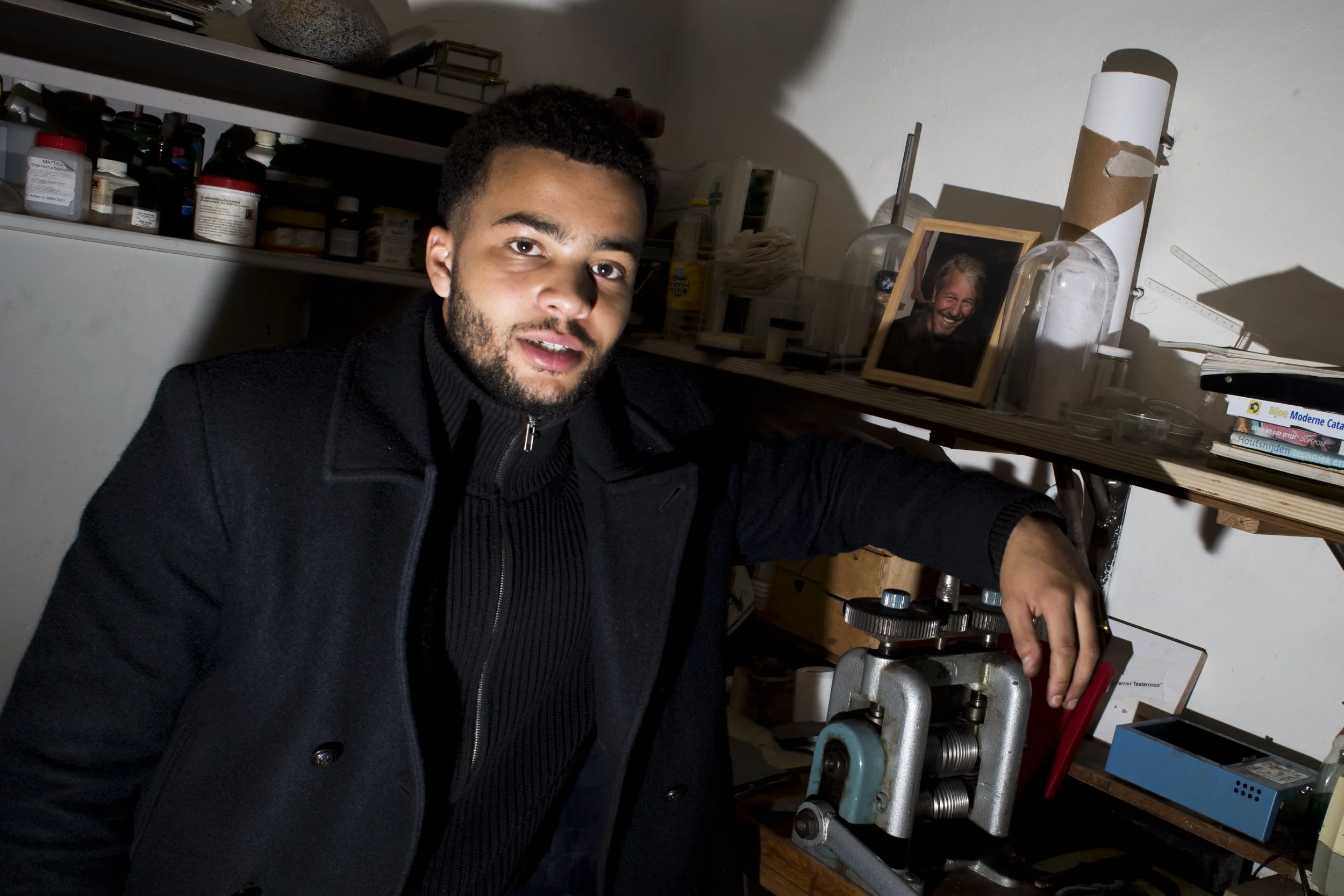
Jero Leeflang (27) - jewellery maker, studio in De Oude Kerk
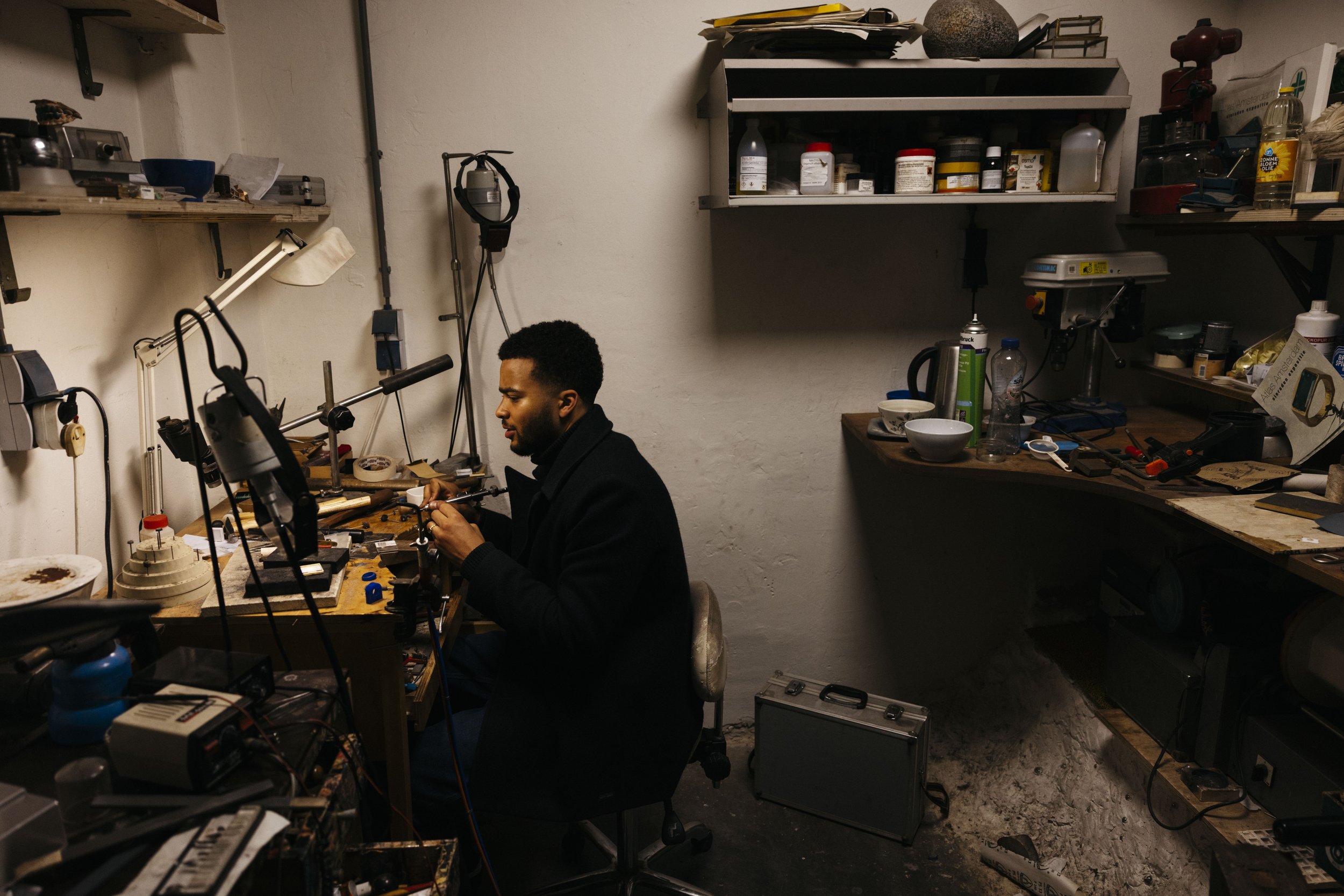
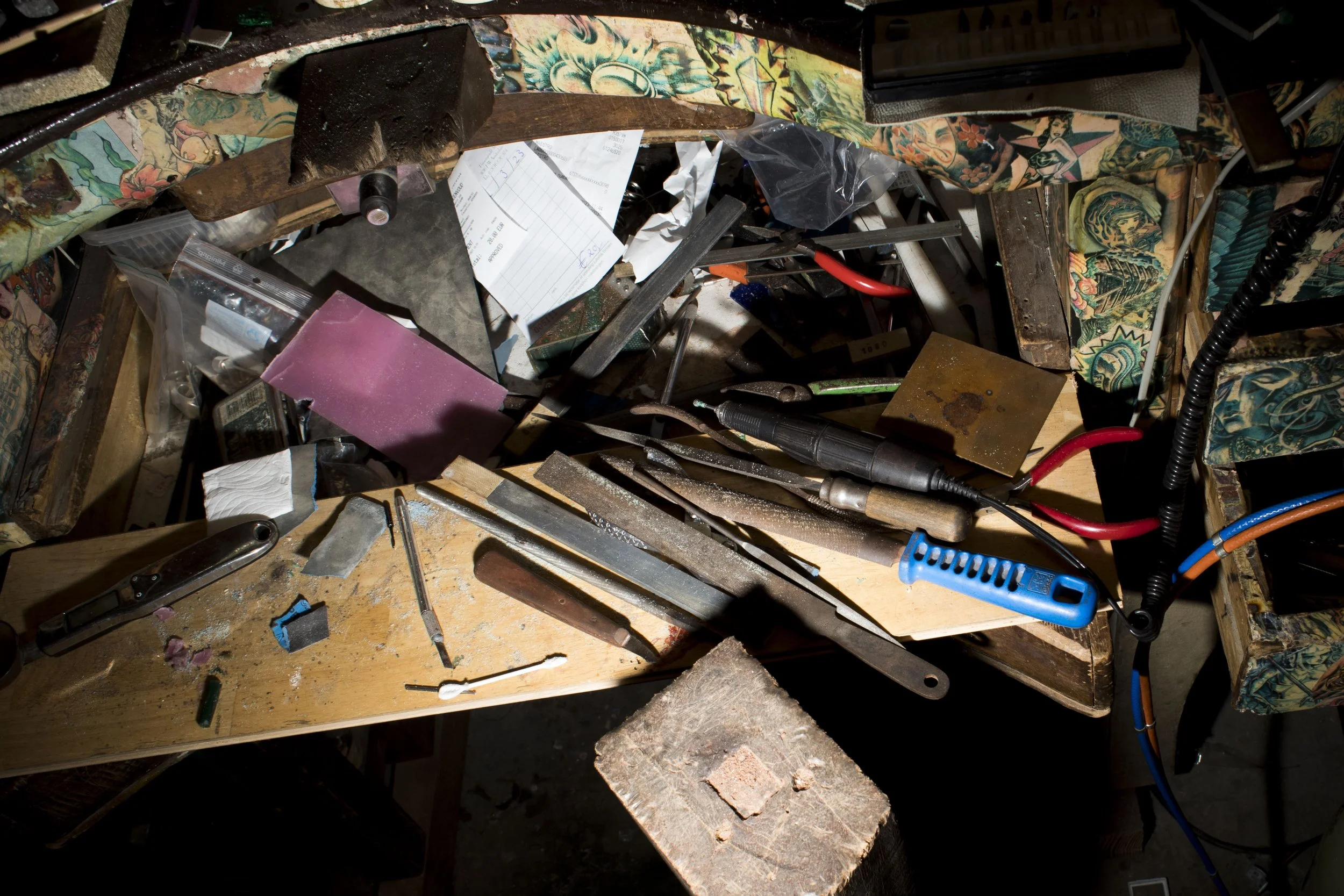
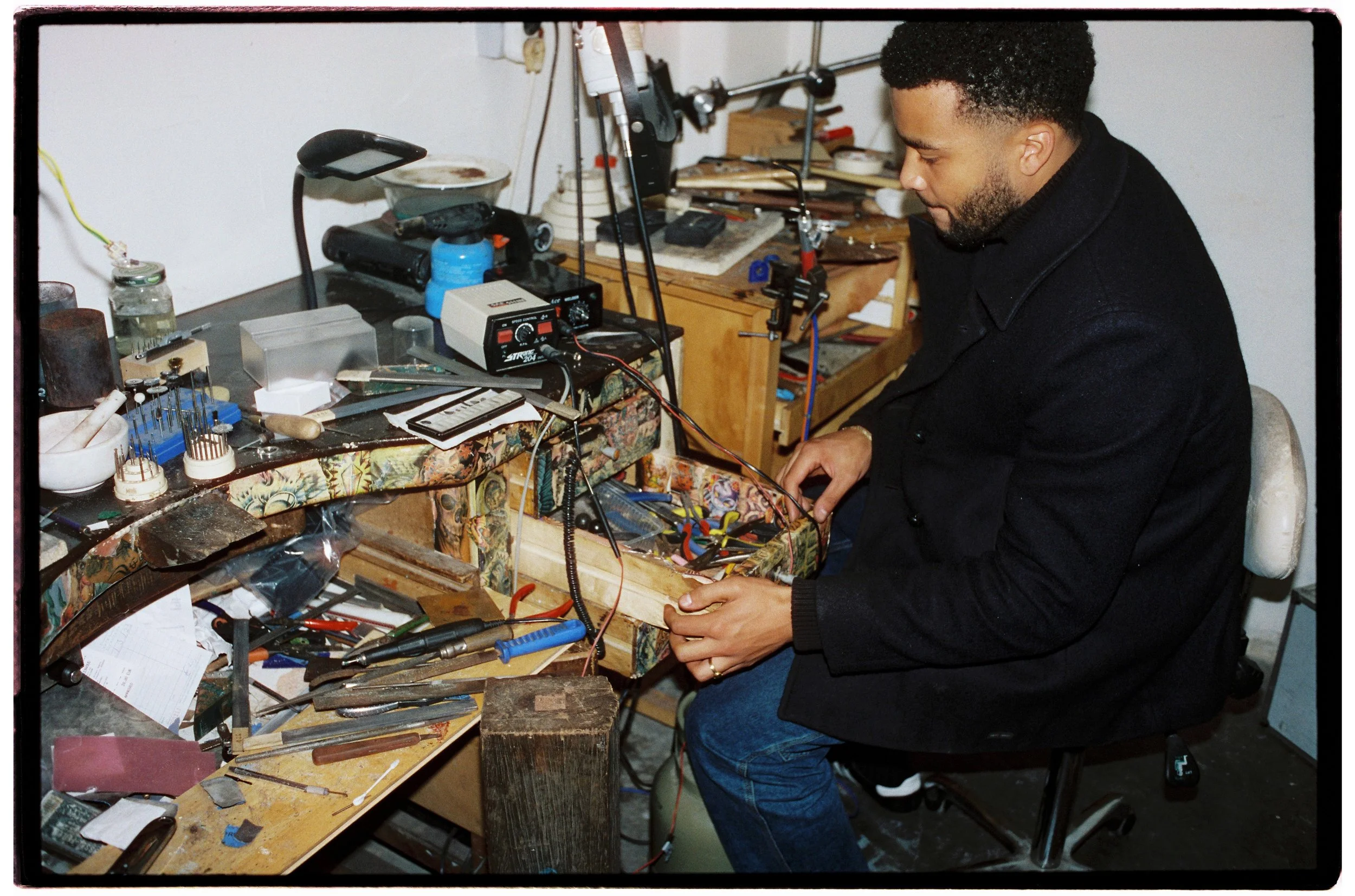
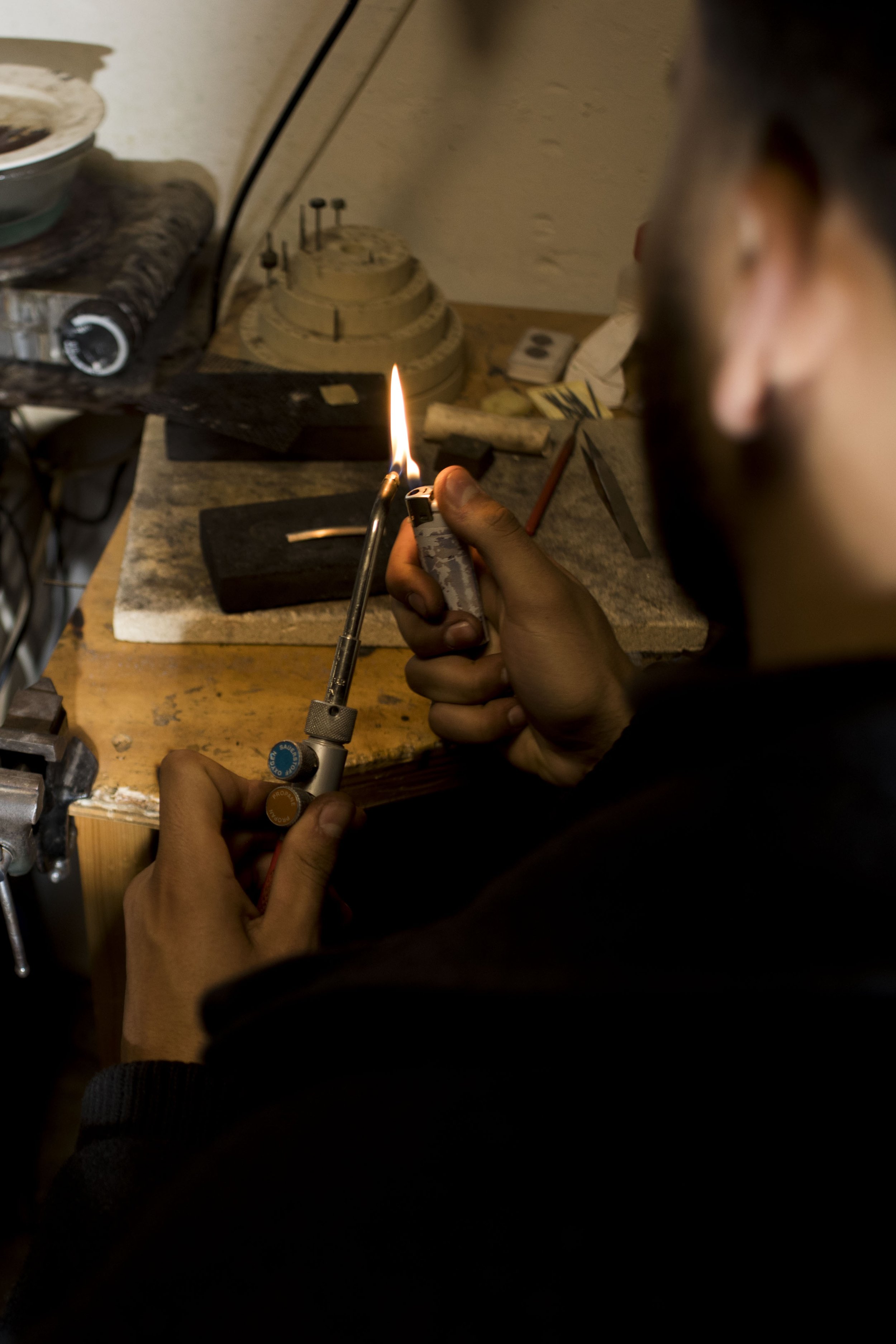
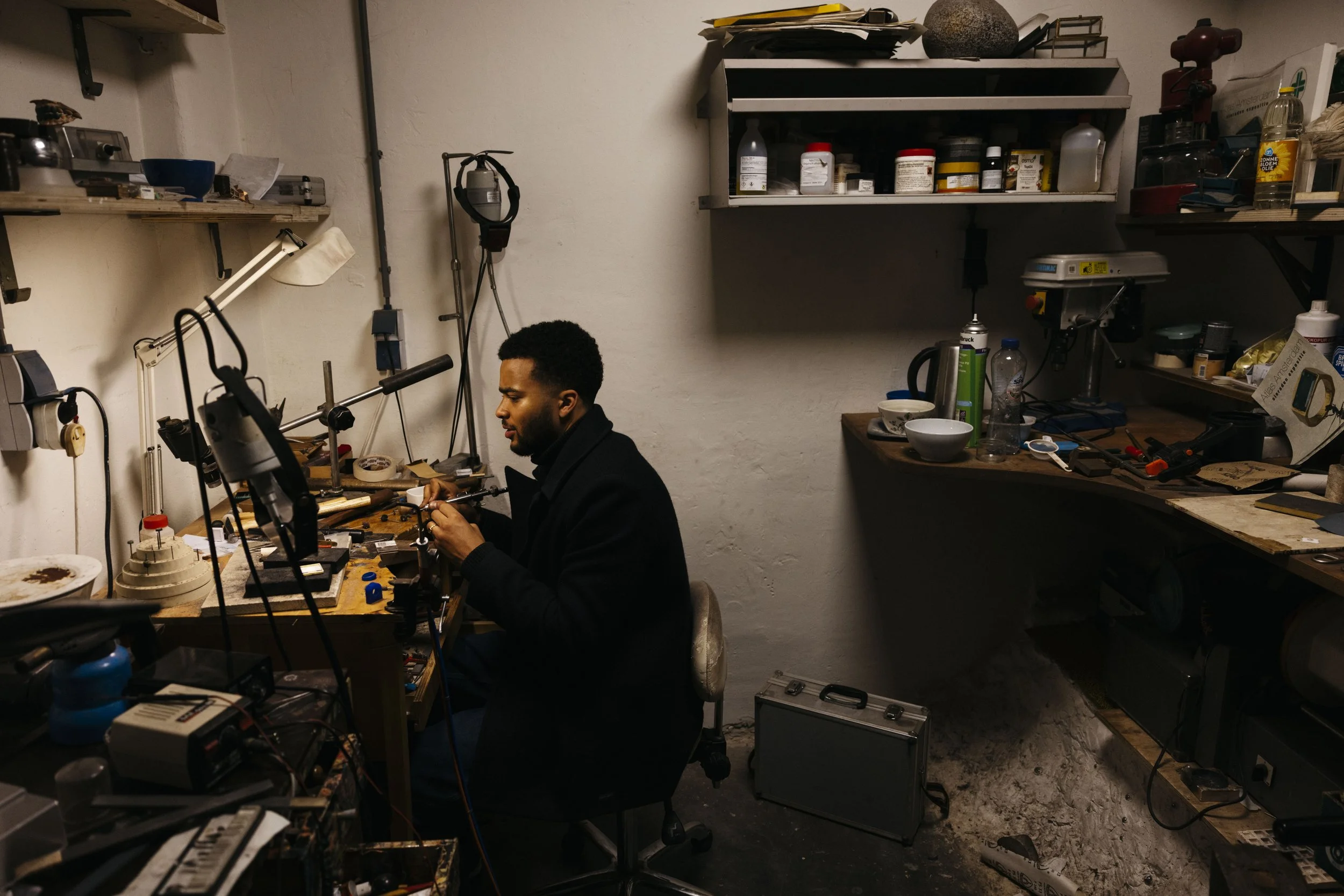
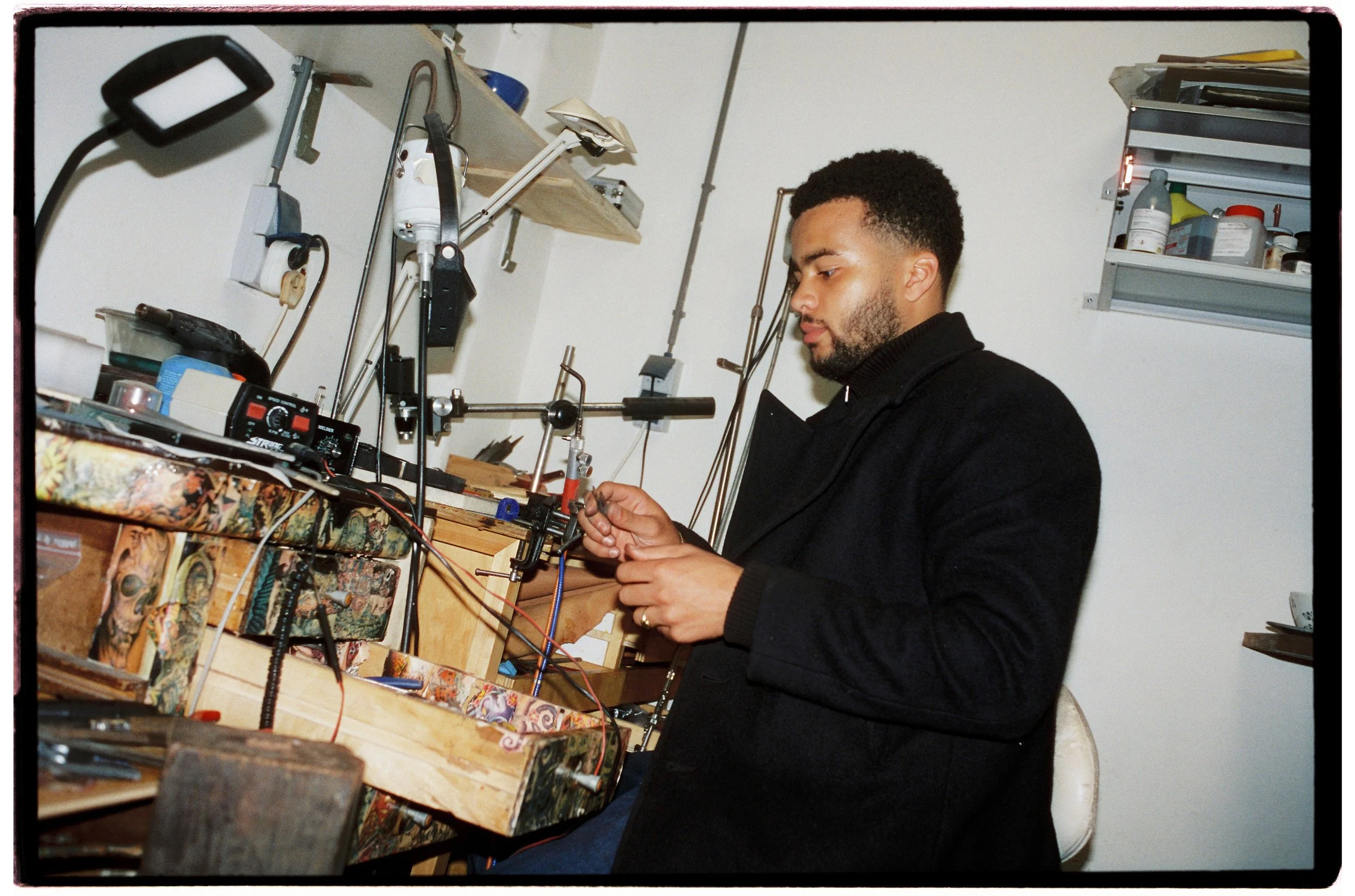
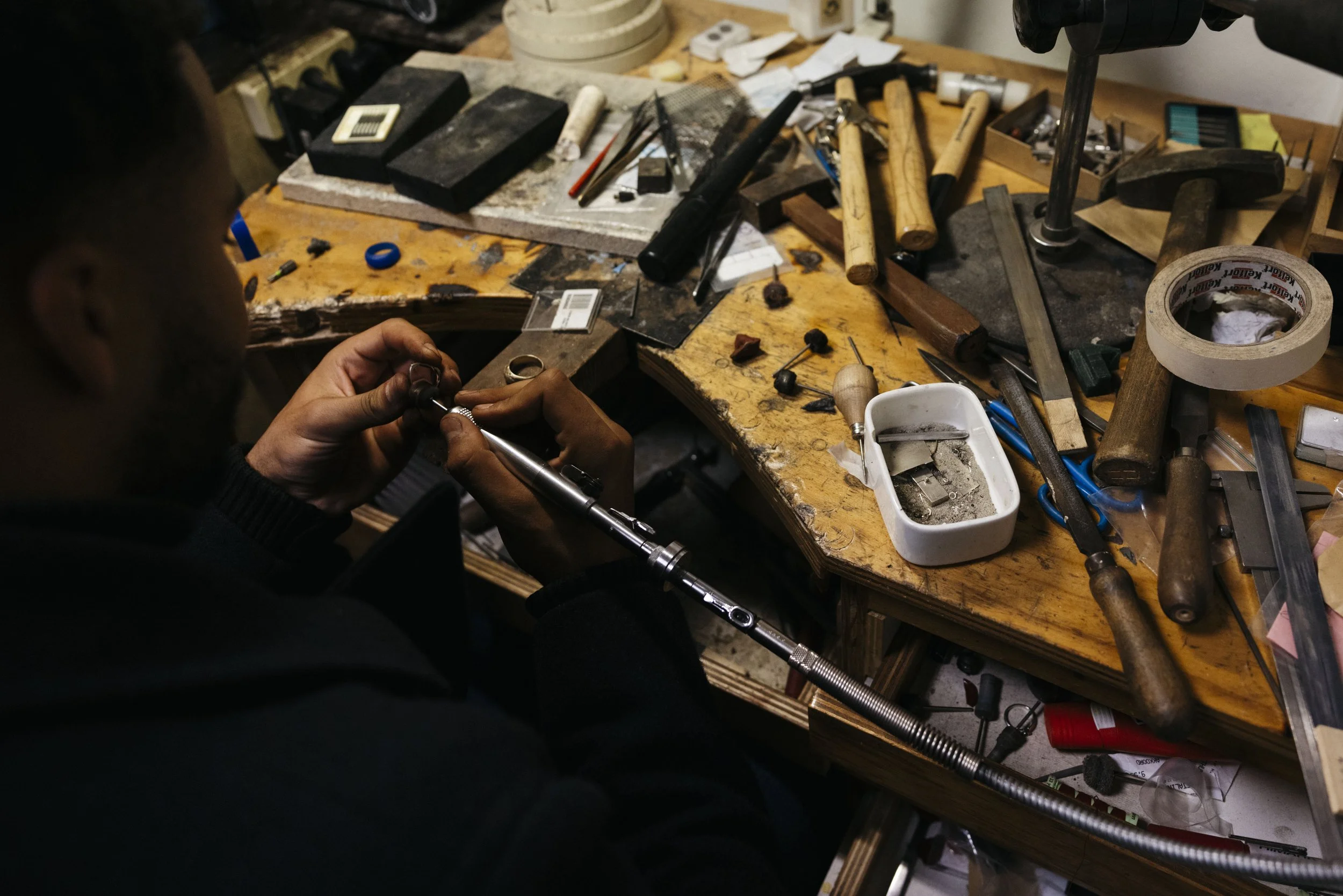
Behind a wooden red door in the oldest building in Amsterdam - De Oude Kerk - you find a street-facing studio. The walls are tiled white and in the corner stands a workbench filled with materials and delicate tools, lit by an adjustable desk lamp. The rest of the room is dark; the shutters are still closed.
Who is Jero?
Jero Leeflang, who moved into this studio several years ago, sits behind his workbench. He is 27 and has been a jewellery maker for over eight years. He trained as a goldsmith at a private academy in De Pijp. From an early age he knew he wanted to become “really good at something”. The question of what exactly, however, took longer to answer.
It was his Surinamese jewellery, rich in detail, that eventually gave him the idea. “It’s not a profession you can just try for a while,” he says. “You really have to commit to it.” Otherwise it simply doesn’t make sense.
And it turned out to suit him well. Not only because he is calm and thoughtful, but also because he can be strict with himself and has a strong ability to focus. “Sometimes I work for fourteen hours straight and forget to eat.”
(This essay continues below)
How he works
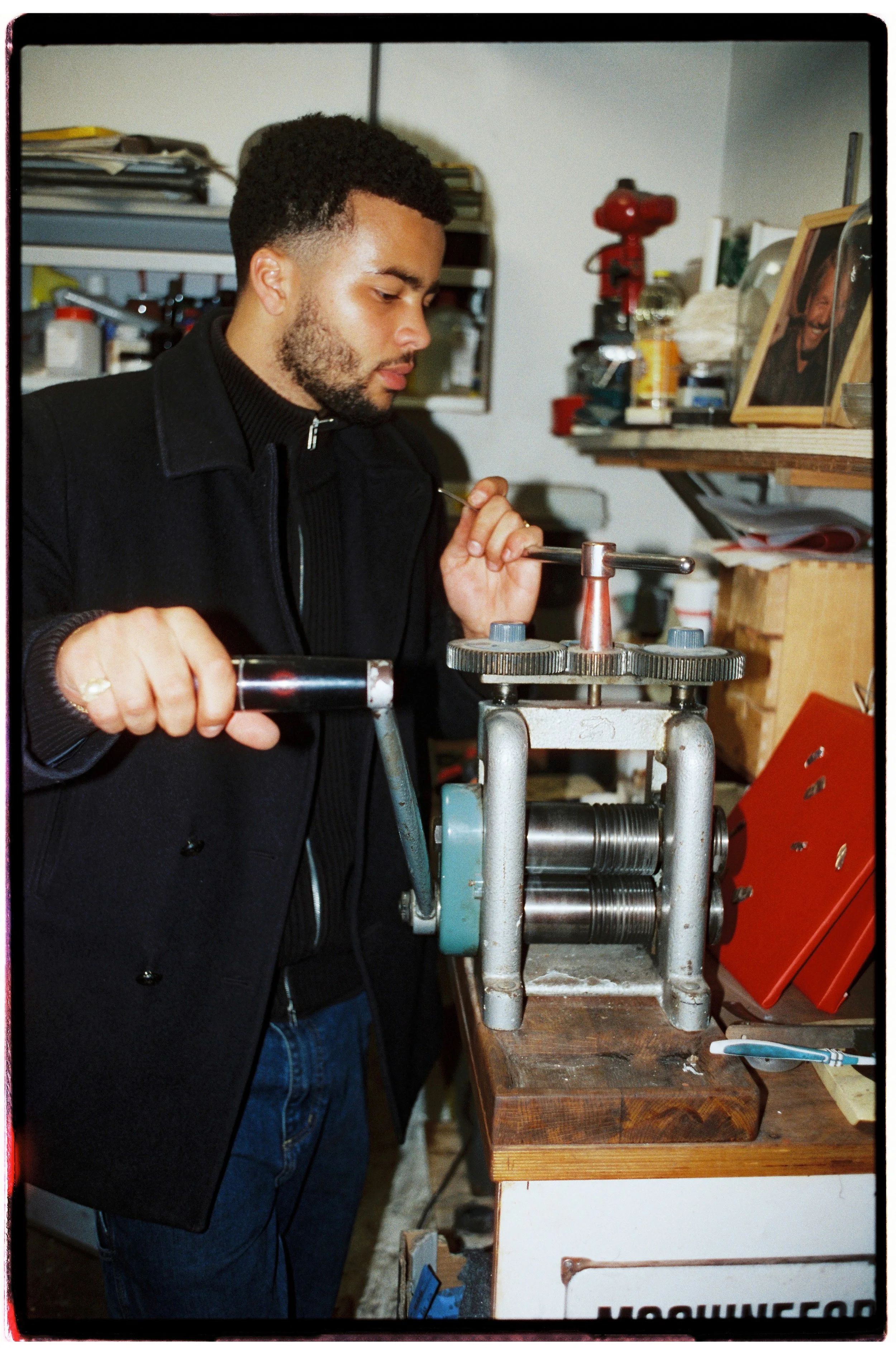
Anyone stepping into Jero’s studio isn’t there to browse a catalogue and pick out a piece of jewellery. He never works from fixed designs. Appointments are more like consultations: conversations in which ideas are exchanged and in which he tries to understand the person sitting across from him.
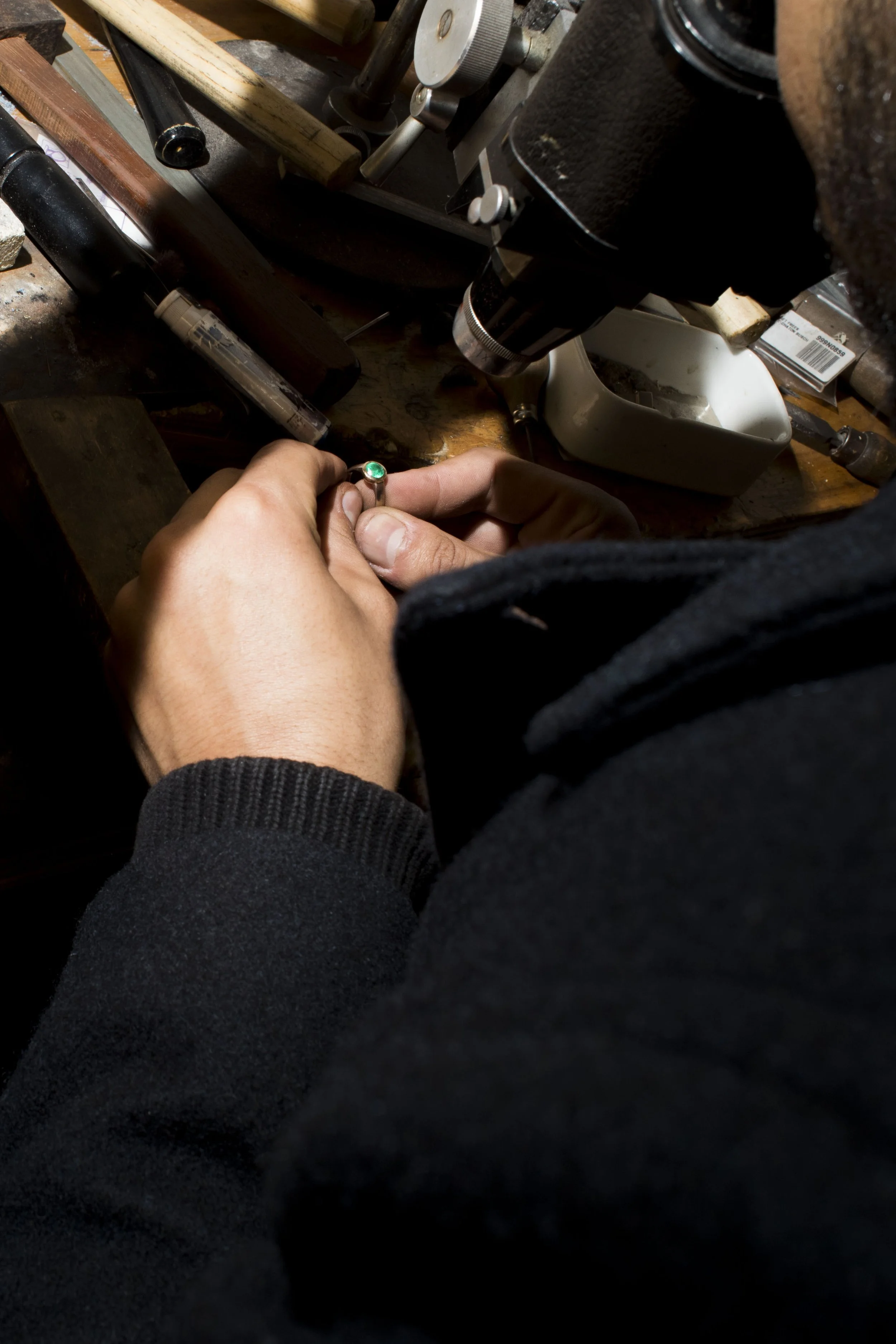
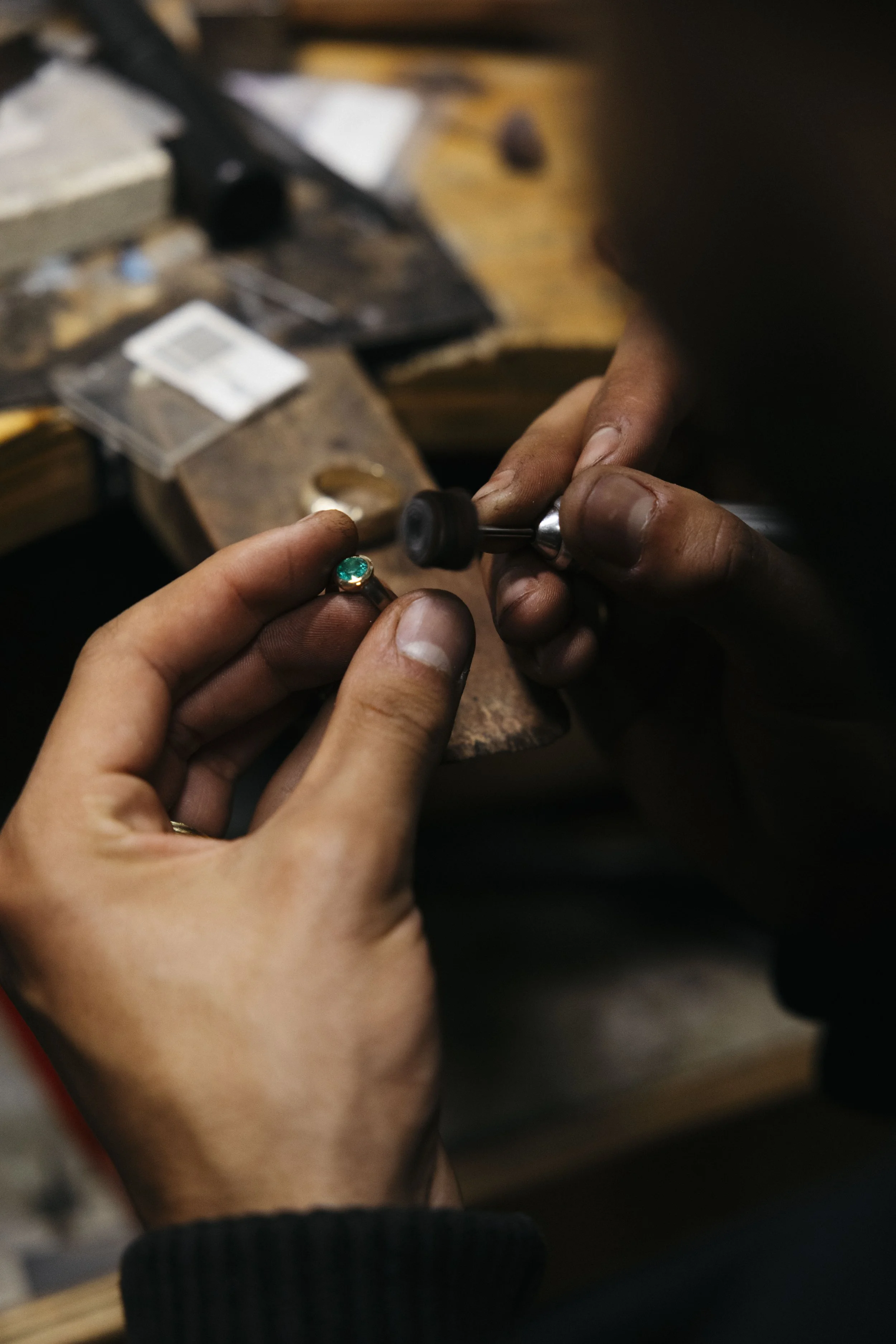
The design often takes shape on the spot. His ideas come to life through an intuitive process, often starting directly in metal, wax or around a stone, allowing each piece to evolve naturally during making. In those moments clients simply have to trust him, and they do.
When he isn’t working on commissions, he focuses on his next exhibition. He often starts with research into a theme or material that fascinates him. In his most recent collection he combined glass with gold, a fascination that grew after he regularly visited the studio of a friend who is a glassblower.
At the end of 2024 he presented his most personal series to date. In seven pieces of jewellery he processed the grief over a close friend. Starting with a lock of her hair, combined with forms that reflected her personality, including two spikes, referencing the pink knuckle-duster she always carried with her.
Creative in Amsterdam
Jero grew up in Amsterdam’s historic centre, where he still lives and works. It’s also where he built his network. Partly through skateboarding and simply spending a lot of time outside.
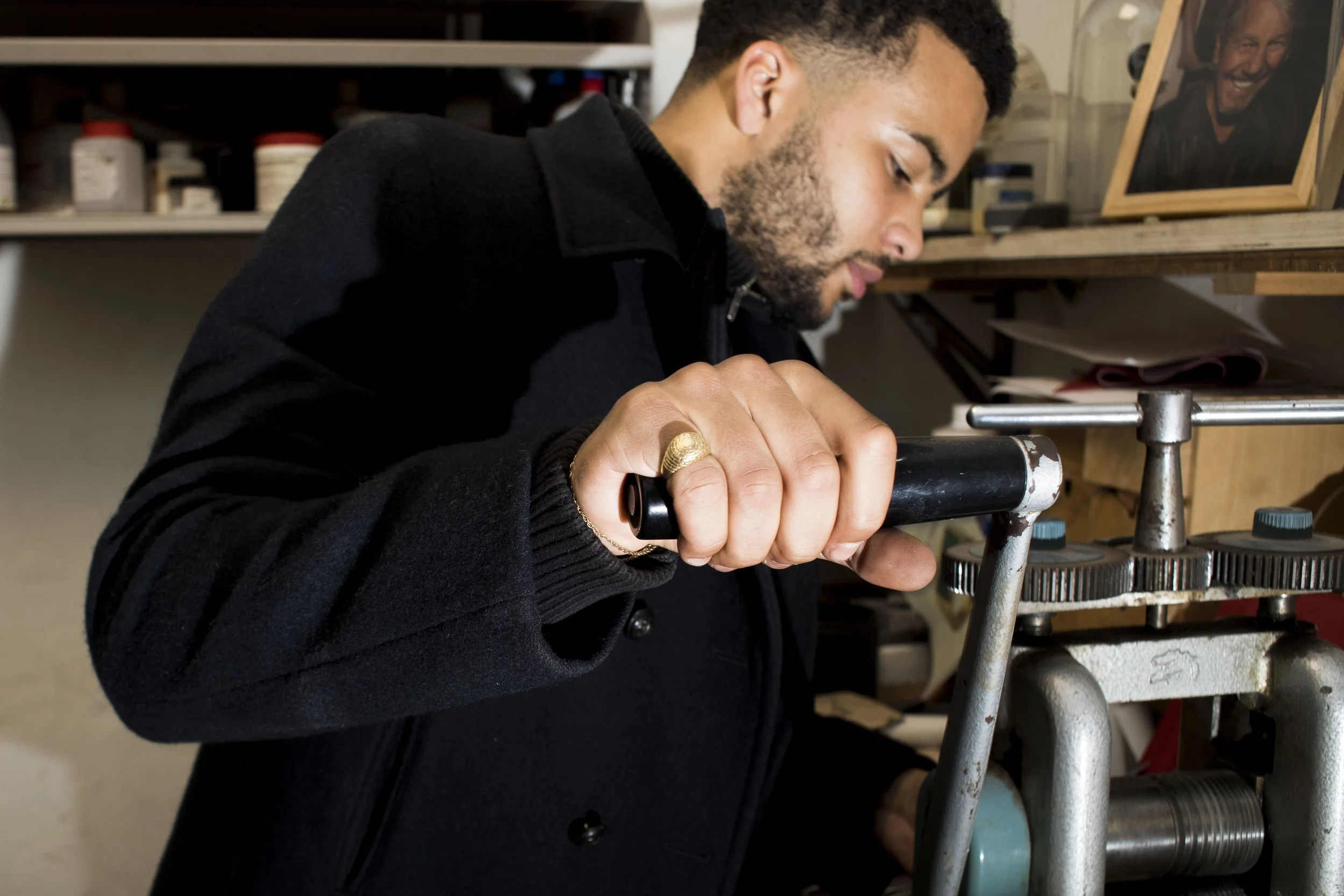
The shapes and patterns of the city inspire him. He wears a rounded gold pinky ring with a brick pattern. “Do you know those little hills near the Berlage Lyceum in Zuid? That’s this.” The streetlamps of the Nieuwmarkt also appear in a pair of earrings he shows on his phone.
For his series of four hundred ‘Pearl-heads’ (small figures with a pearl as a head) he invented the first two hundred poses from memory. When inspiration ran out, he simply opened his shutters and looked outside. The next two hundred Pearl-heads took on the body language of people passing by in the Red Light District.
In return, he also contributes to the city. As an ambassador for Aanpak Binnenstad, a municipal programme, he helps think about the future of the neighbourhood. He also regularly opens his studio for exhibitions, including for other makers, and organises jewellery shows under the name Atlas Amsterdam.
Five Years From Now
Does he see himself still working in Amsterdam in five years? “Yes.” At the same time, he acknowledges the growing tension for creatives in the city. “Rents are rising, and the creative scene becomes drier and more commercial because of that. But it’s
important to keep experimenting and not only focus on survival. Otherwise the things you make become boring.”
In other places he notices that people seem freer and that more is possible - for example when visiting friends in Brussels.
“It’s wilder there, so better art probably comes out of it. Amsterdam can feel quite tightly controlled. But opportunities? They’re always there.”
Find Jero on Instagram at @jeroleeflang and at jeroleeflang.com
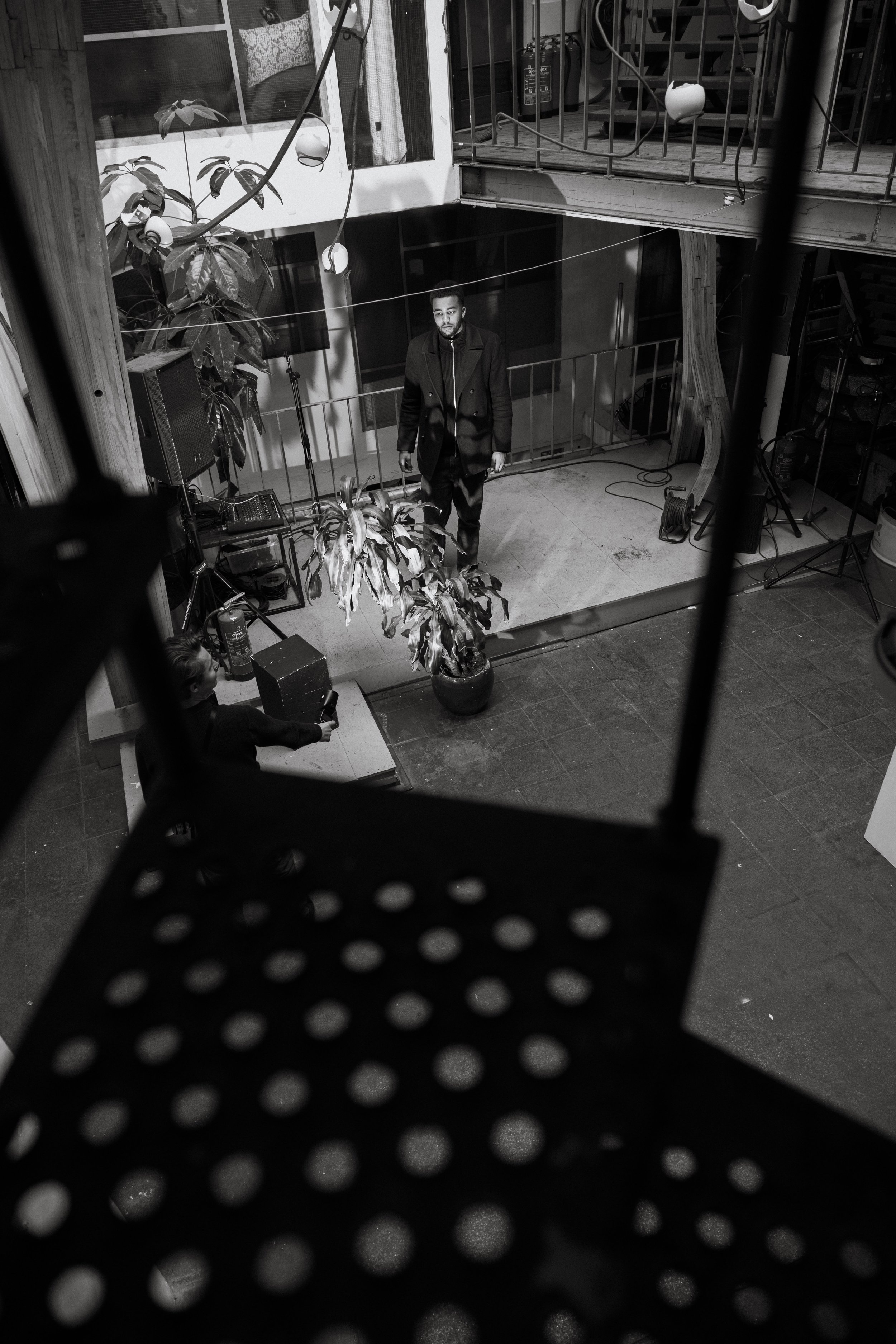
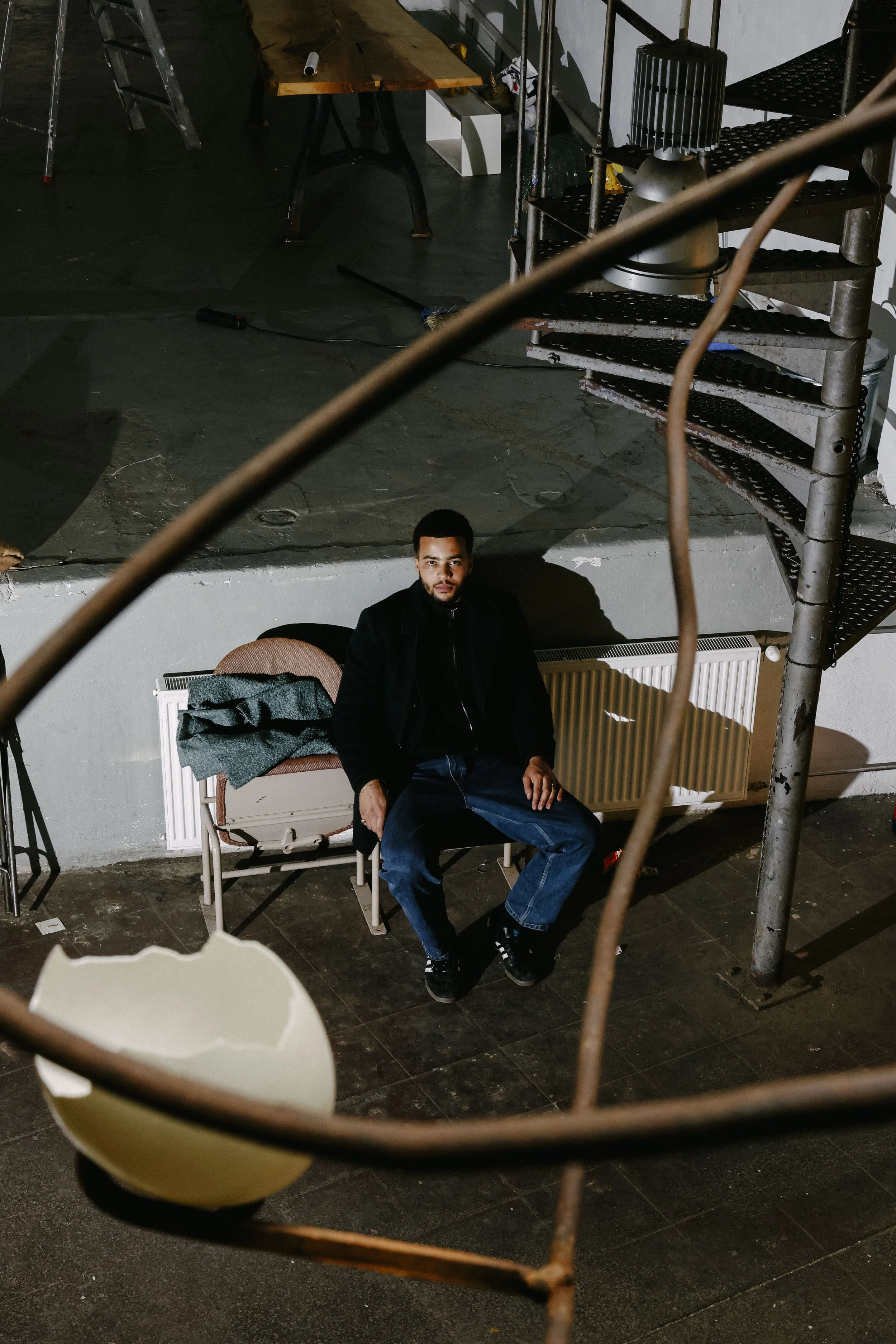
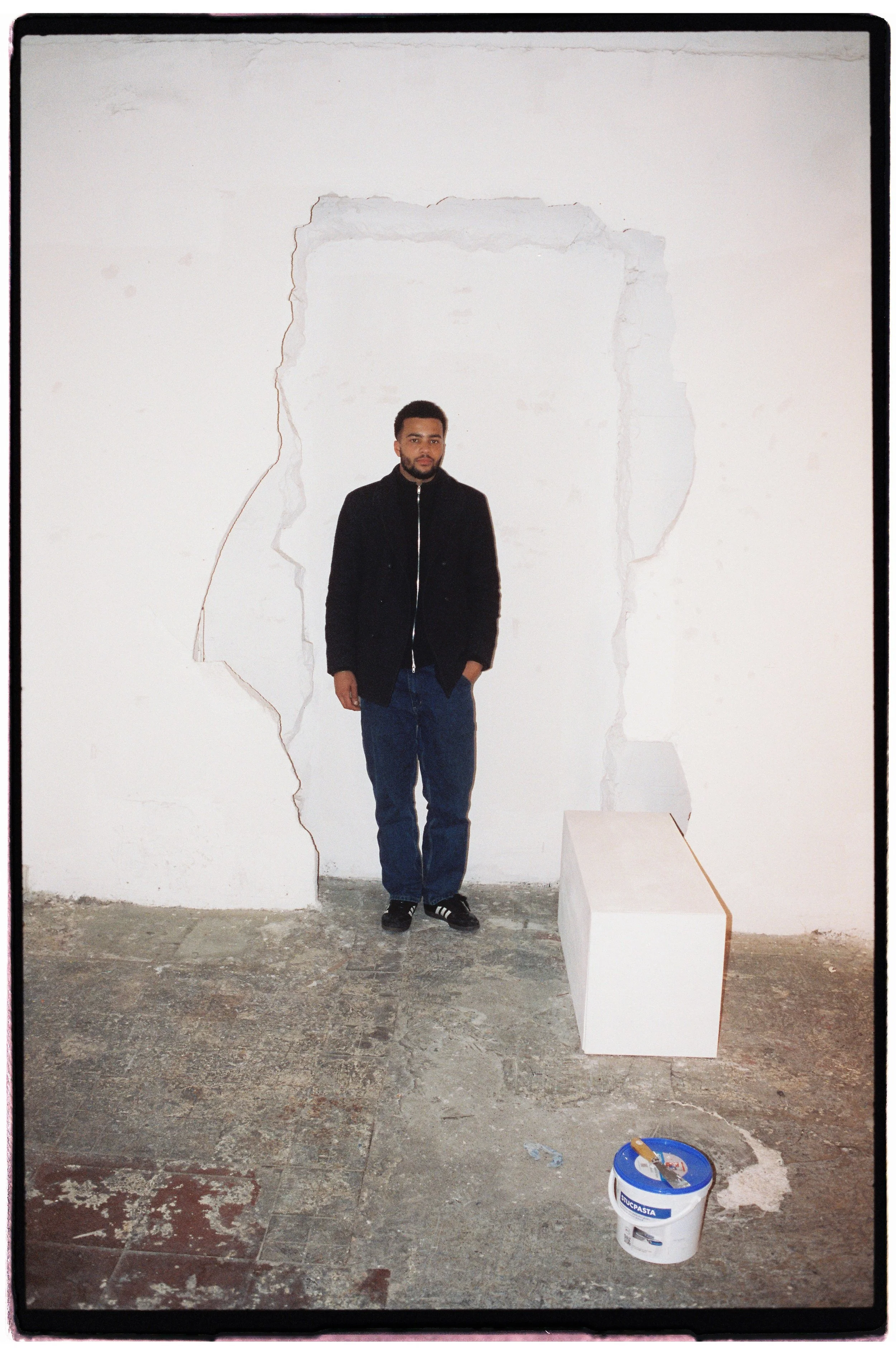
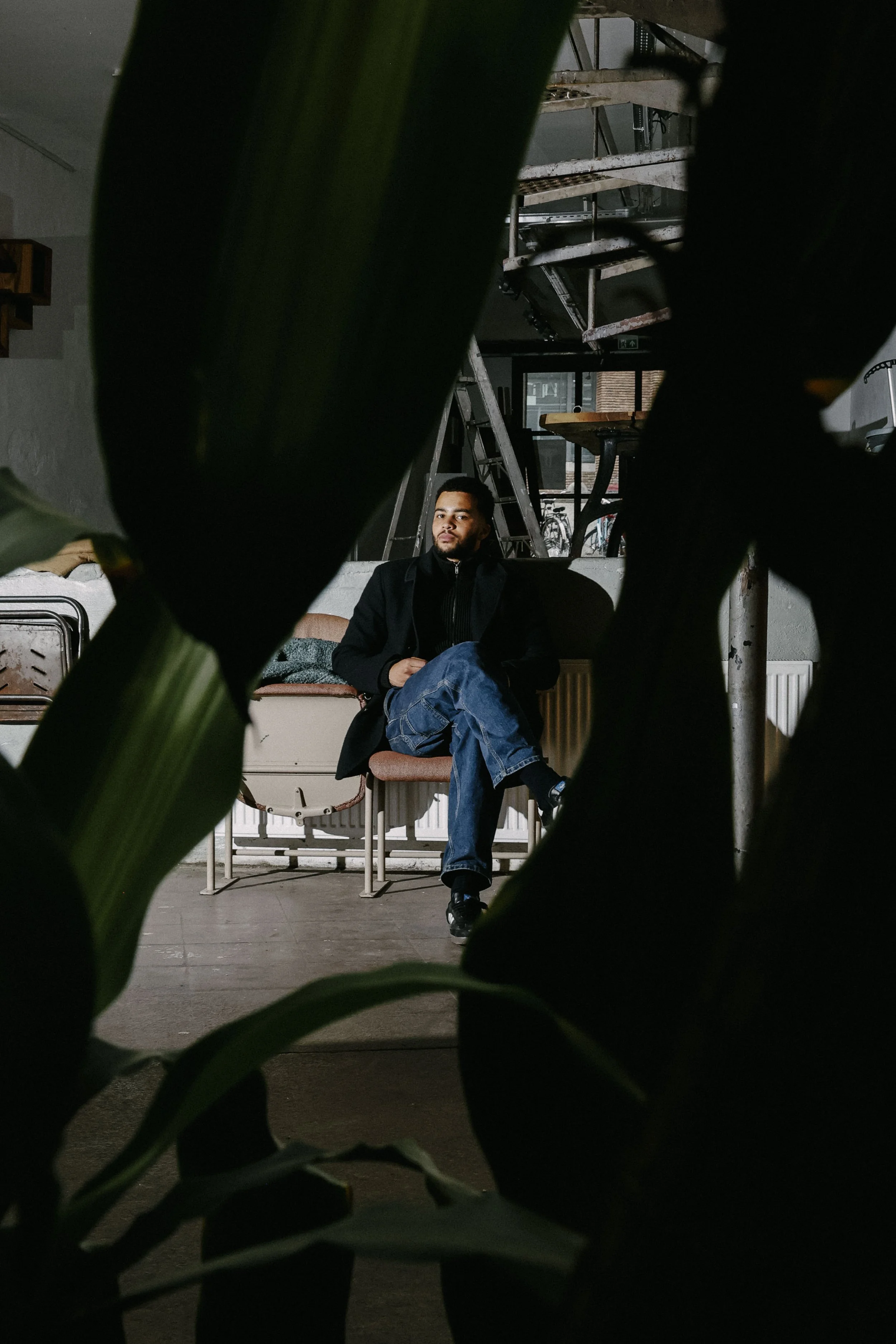
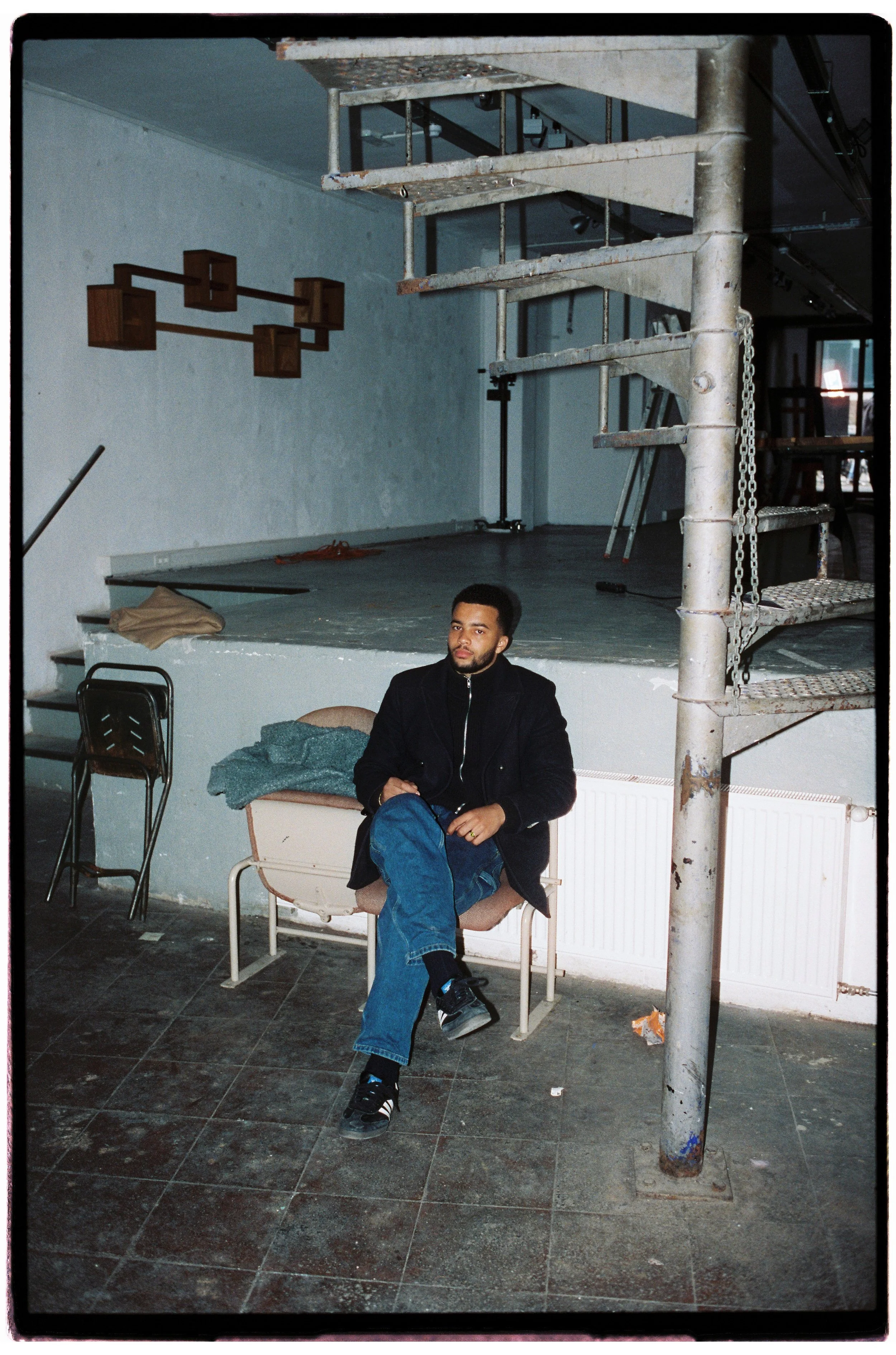
Photos by Wesley Verhoeve, taking in Jero’s previous space in Vrij Paleis
Text by Josephine Jongbloed
(Om dit stuk in het Nederlands te lezen kunt U naar beneden scrollen.)
Nederlands
Jero Leeflang (27) - Sieradenmaker, studio in De Oude Kerk
Achter een houten, rode deur in het oudste gebouw van Amsterdam - De Oude Kerk - zit een atelier aan de straatkant. De muren zijn wit betegeld en in de hoek staat een werkbank vol materialen en fijn gereedschap, verlicht door een verstelbare bureaulamp. De rest van de ruimte is donker; de luiken zijn nog gesloten.
Wie is Jero?
Jero Leeflang, die deze studio enkele jaren geleden betrok, zit achter zijn werkbank.
Hij is 27 jaar en al ruim acht jaar sieradenmaker. Hij volgde een particuliere opleiding tot edelsmid in De Pijp. Al vroeg wist hij dat hij “ergens goed in wilde worden”. Alleen de vraag wat precies was moeilijker te beantwoorden.
Het waren zijn Surinaamse sieraden, rijk aan detail, die hem uiteindelijk op het idee brachten. “Het is geen beroep dat je zomaar even probeert. Je moet er echt voor gaan” zegt hij. Anders heeft het geen zin.
En dat bleek hem goed te passen. Niet alleen omdat hij rustig en bedachtzaam is, maar ook omdat hij streng voor zichzelf kan zijn en een groot talent heeft voor focus. “Soms werk ik wel veertien uur achter elkaar en vergeet ik te eten.”
Hoe hij te werk gaat
Wie Jero’s studio binnenstapt, komt niet om een catalogus te bekijken en een sieraad uit te kiezen. Hij werkt nooit vanuit vaste ontwerpen. Afspraken zijn eerder consults: gesprekken waarin ideeën worden uitgewisseld en waarin hij probeert te doorgronden wie hij tegenover zich heeft.
Het ontwerp ontstaat daarom vaak ter plekke. Zijn ideeën komen tot leven via een intuïtief proces, vaak door direct te beginnen in metaal, was of steen, waardoor elk stuk zich tijdens het maken op een natuurlijke manier ontwikkelt. Klanten moeten op hem vertrouwen, en dat lukt goed.
Werkt hij niet in opdracht, dan werkt hij aan zijn volgende expositie. Daarbij vertrekt hij vaak vanuit een onderzoek naar een thema of materiaal dat hem fascineert. In zijn meest recente collectie combineerde hij glas met goud. Die fascinatie ontstond nadat hij regelmatig in het atelier van een bevriende glasblazer op bezoek kwam.
Eind 2024 presenteerde hij zijn persoonlijkste serie tot nu toe. In zeven sieraden verwerkte hij zijn rouw om een goede vriendin. Beginnend bij een pluk van haar haar, gecombineerd met vormen die bij haar pasten, zoals twee spikes, een verwijzing naar de roze boksbeugel die ze altijd bij zich droeg.
Creatief in Amsterdam
Hij groeide op in de binnenstad, waar hij nog steeds woont en werkt. Hier bouwde hij ook zijn netwerk op. Onder andere via skateboarden en simpelweg veel buiten zijn.
De vormen en patronen van de stad inspireren hem. Hij draagt een gouden, bolle pinkring met een baksteenpatroon. “Ken je die heuvels bij het Berlage Lyceum in Zuid? Dat is dit.” Ook de lantaarnpalen van de Nieuwmarkt komen terug in een paar oorbellen die hij op zijn telefoon laat zien.
Voor zijn serie van vierhonderd ‘Pearl-heads’ (kleine figuurtjes met een parel als hoofd) bedacht hij de eerste tweehonderd houdingen uit zijn hoofd. Toen de inspiratie op was, hoefde hij simpelweg zijn luiken open te doen en naar buiten te kijken. Zo kregen de volgende tweehonderd Pearl-heads de lichaamstaal van voorbijgangers op de Wallen.
Andersom zet hij zich ook in voor de stad. Als ambassadeur van Aanpak Binnenstad, een gemeentelijk programma, denkt hij mee over het toekomstbestendig maken van de buurt.
Daarnaast opent hij zijn atelier regelmatig voor exposities, ook voor andere makers, en organiseert hij sieradenshows onder de naam Atlas Amsterdam.
Over Vijf Jaar?
Ziet hij zichzelf over vijf jaar nog in Amsterdam? “Ja.” Maar tegelijkertijd erkent hij de spanning in de stad voor creatieven.
“De huren stijgen, de creatieve scene wordt daardoor droger, commerciëler. Maar het is belangrijk om te blijven experimenteren en niet alleen bezig te zijn met bestaansrecht. Anders worden de dingen die je maakt saai.”
Op andere plekken ervaart hij dat mensen vrijer zijn en dat er meer kan - bijvoorbeeld bij vrienden in Brussel. “Daar is het wilder, en komt dus waarschijnlijk betere kunst uit. Amsterdam is best wel dichtgetimmerd. Maar kansen? Die zijn er altijd.”
Vind Jero op Instagram op @jeroleeflang en zijn website jeroleeflang.com
Fotos by Wesley Verhoeve, nog in Jero’s oude werk plaats in Vrij Paleis
Tekst by Josephine Jongbloed