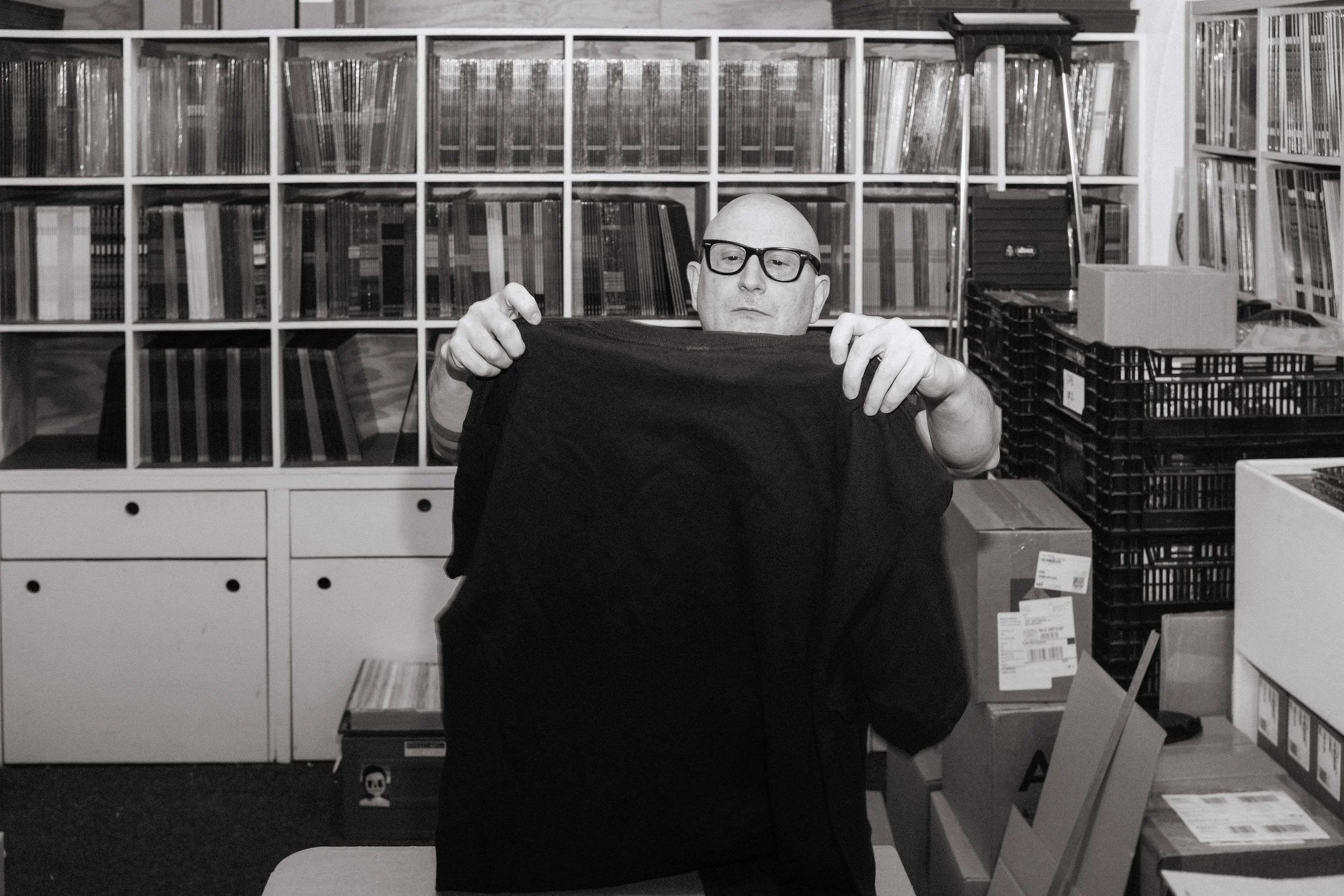
Guy Pinhas
Guy Pinhas over zijn eerste keer in Amsterdam en waarom hij hier zijn muziekcarrière begon.
To read the essay in English scroll to the bottom
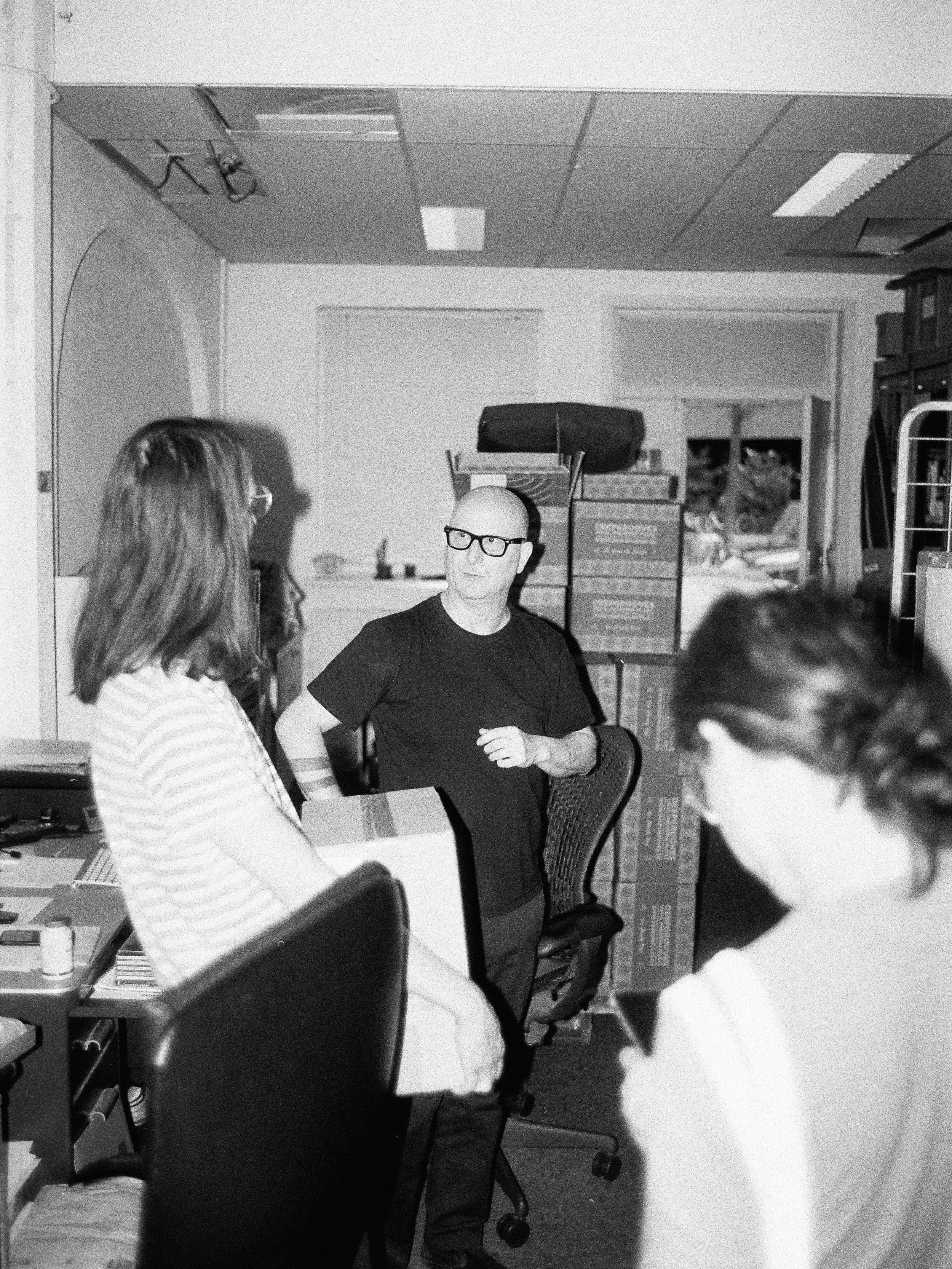
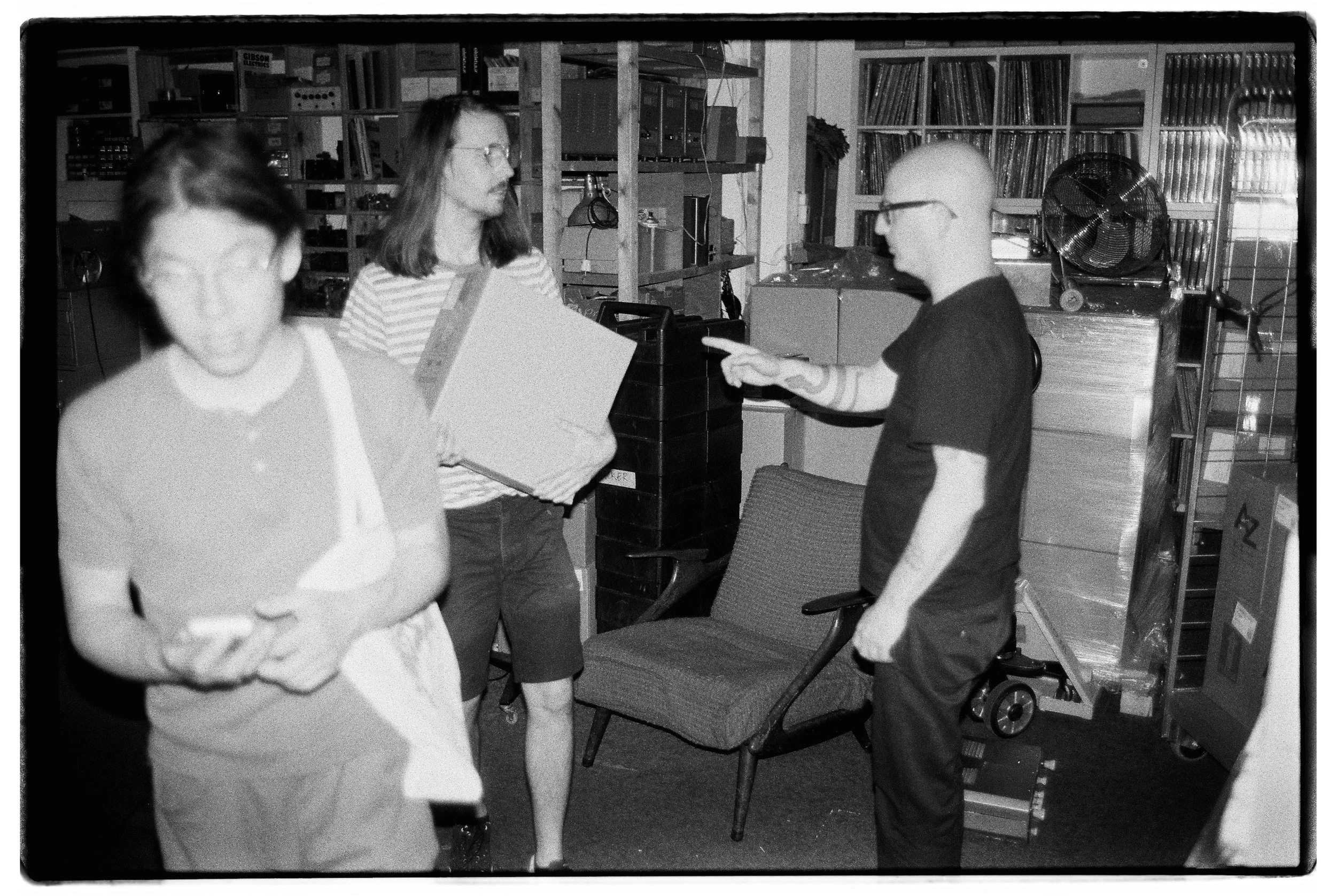
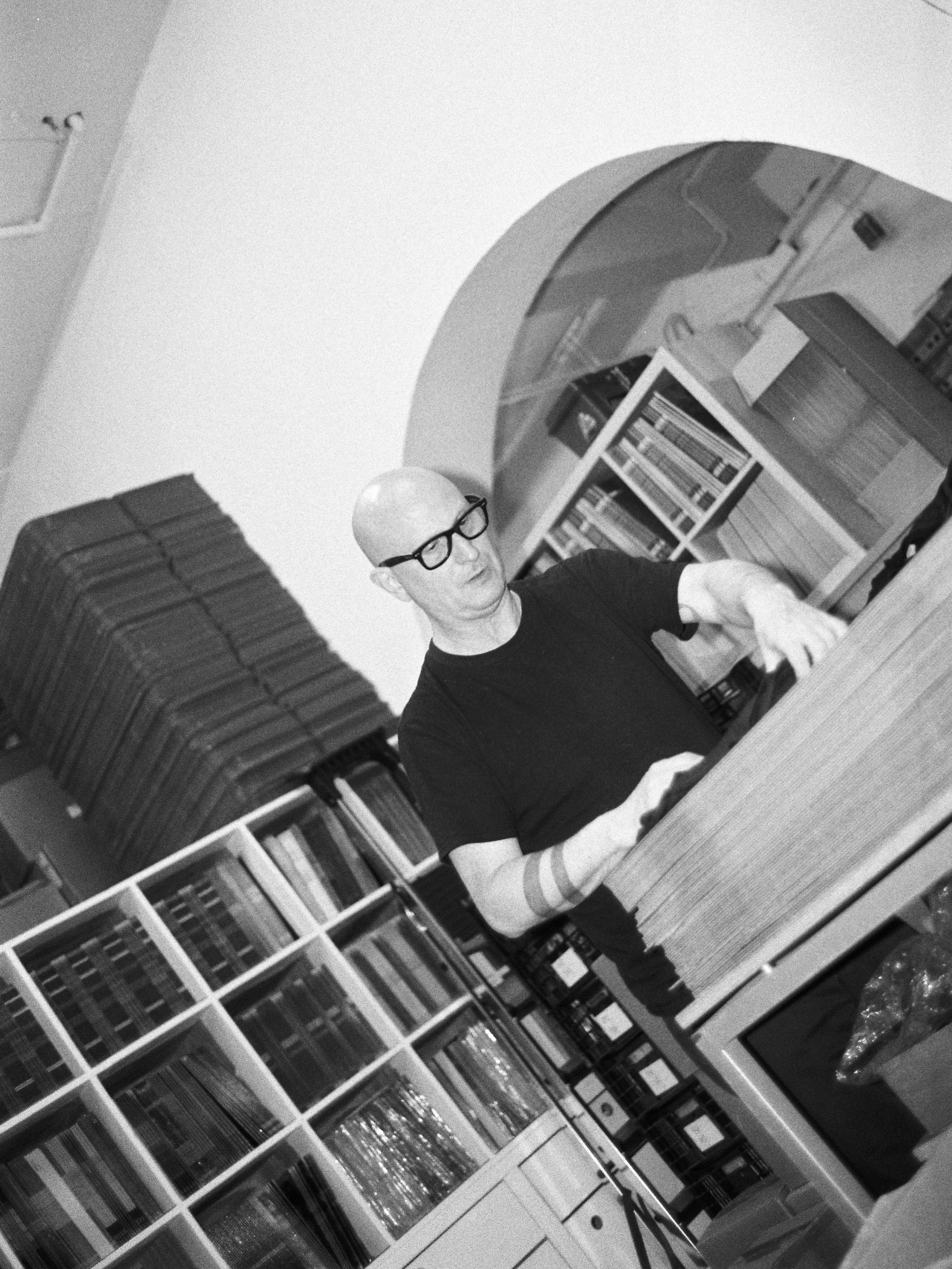
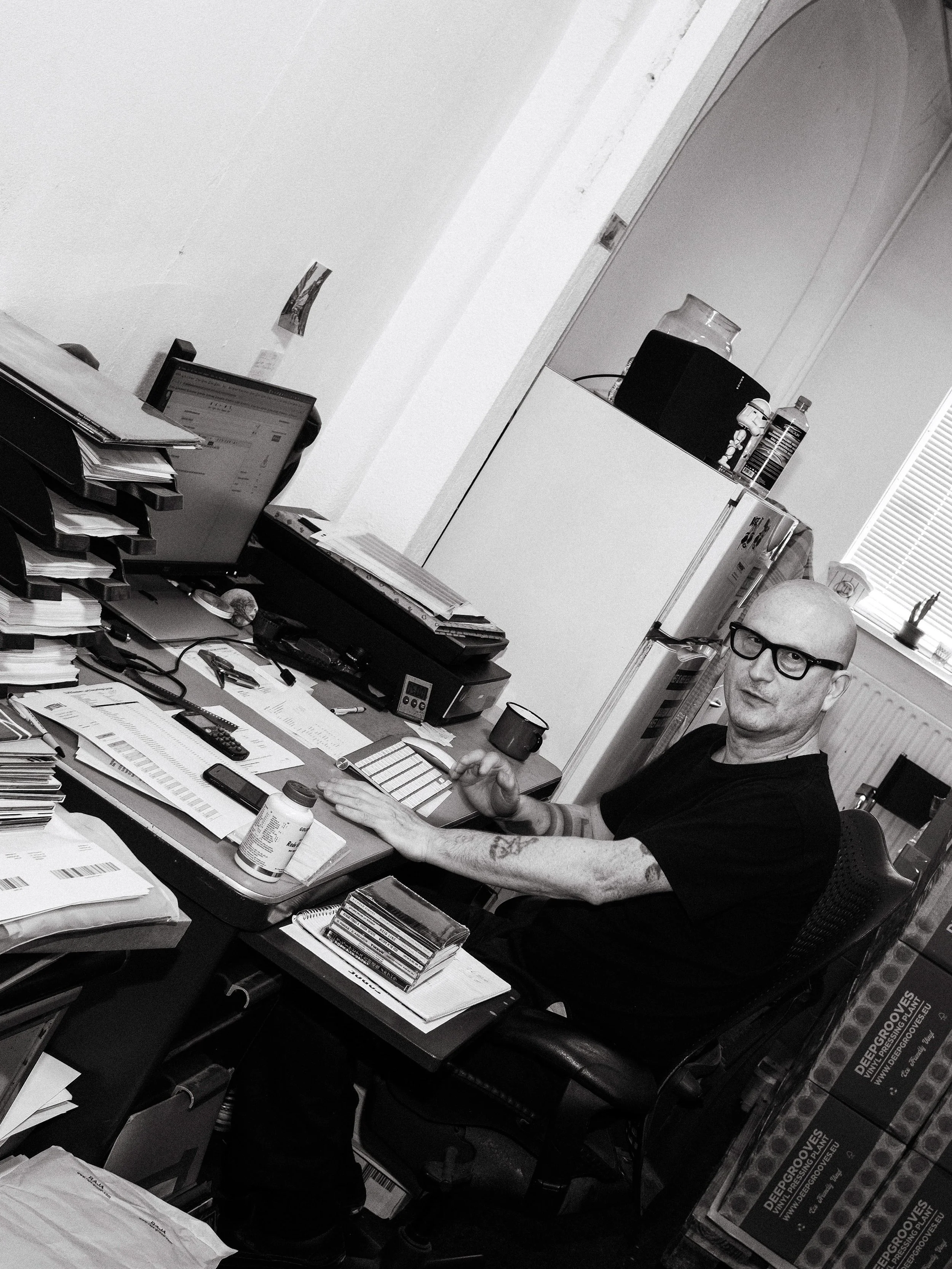
Guy Pinhas (61) - Fotograaf en muzikant
Wie is Guy?
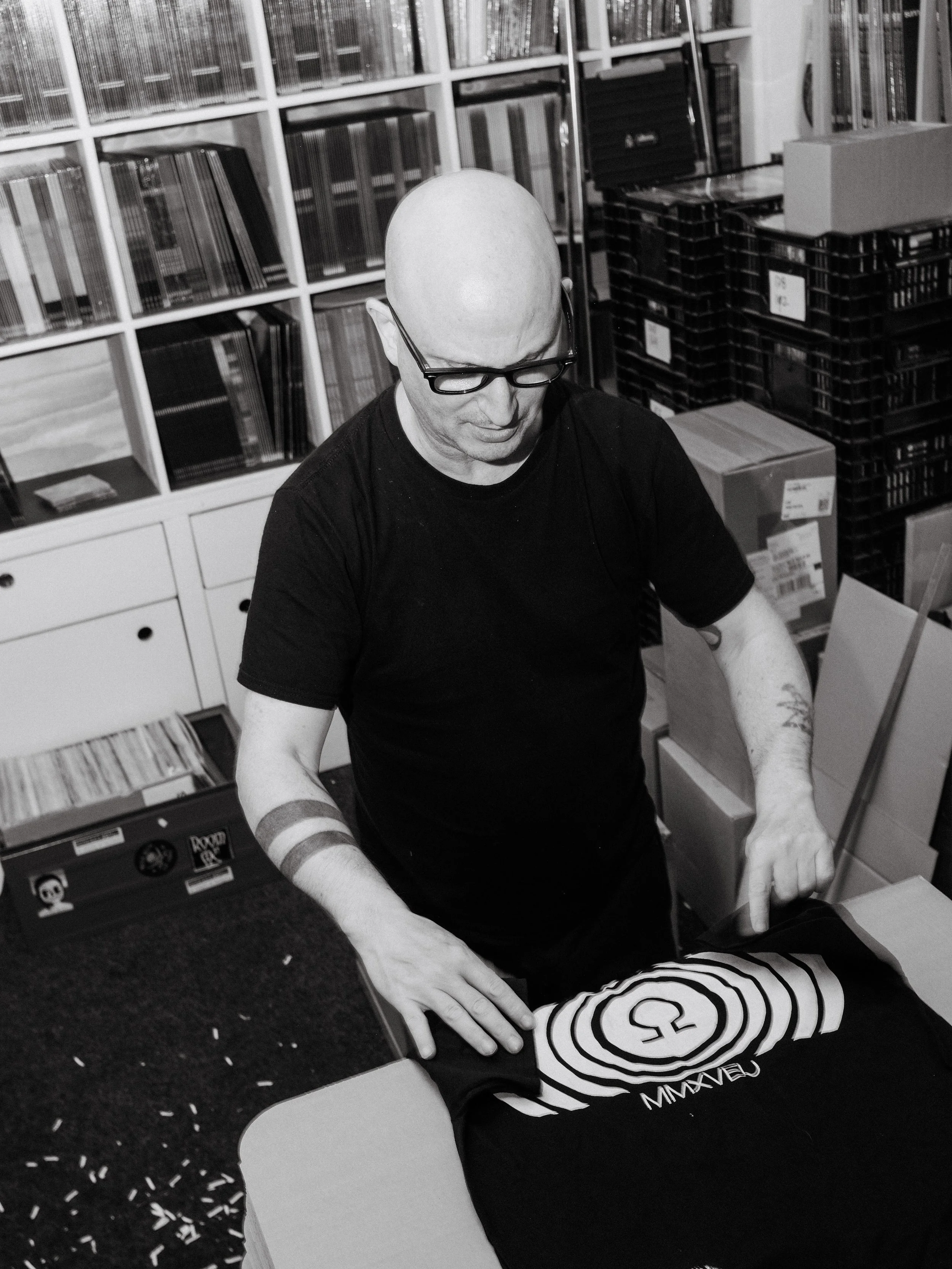
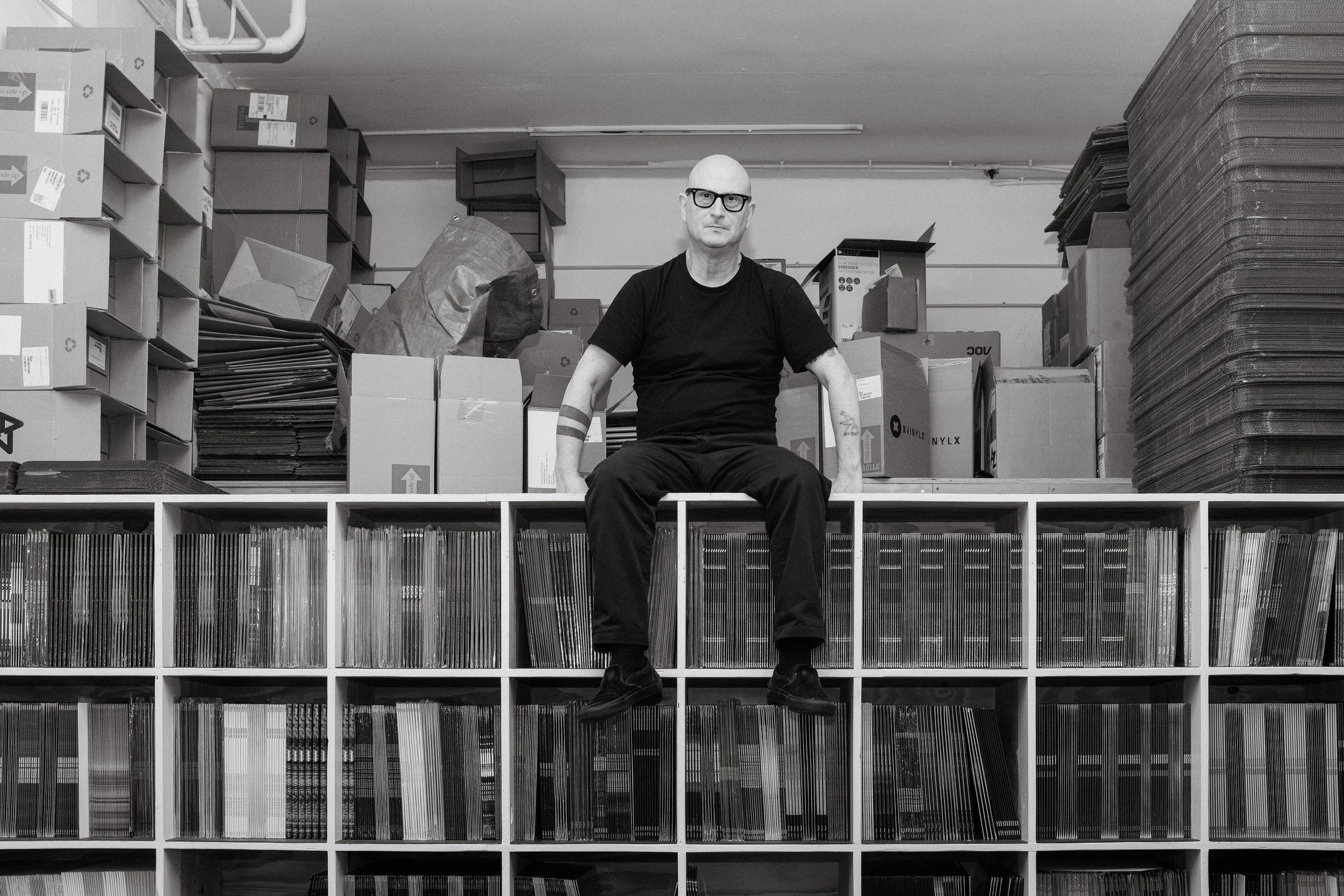
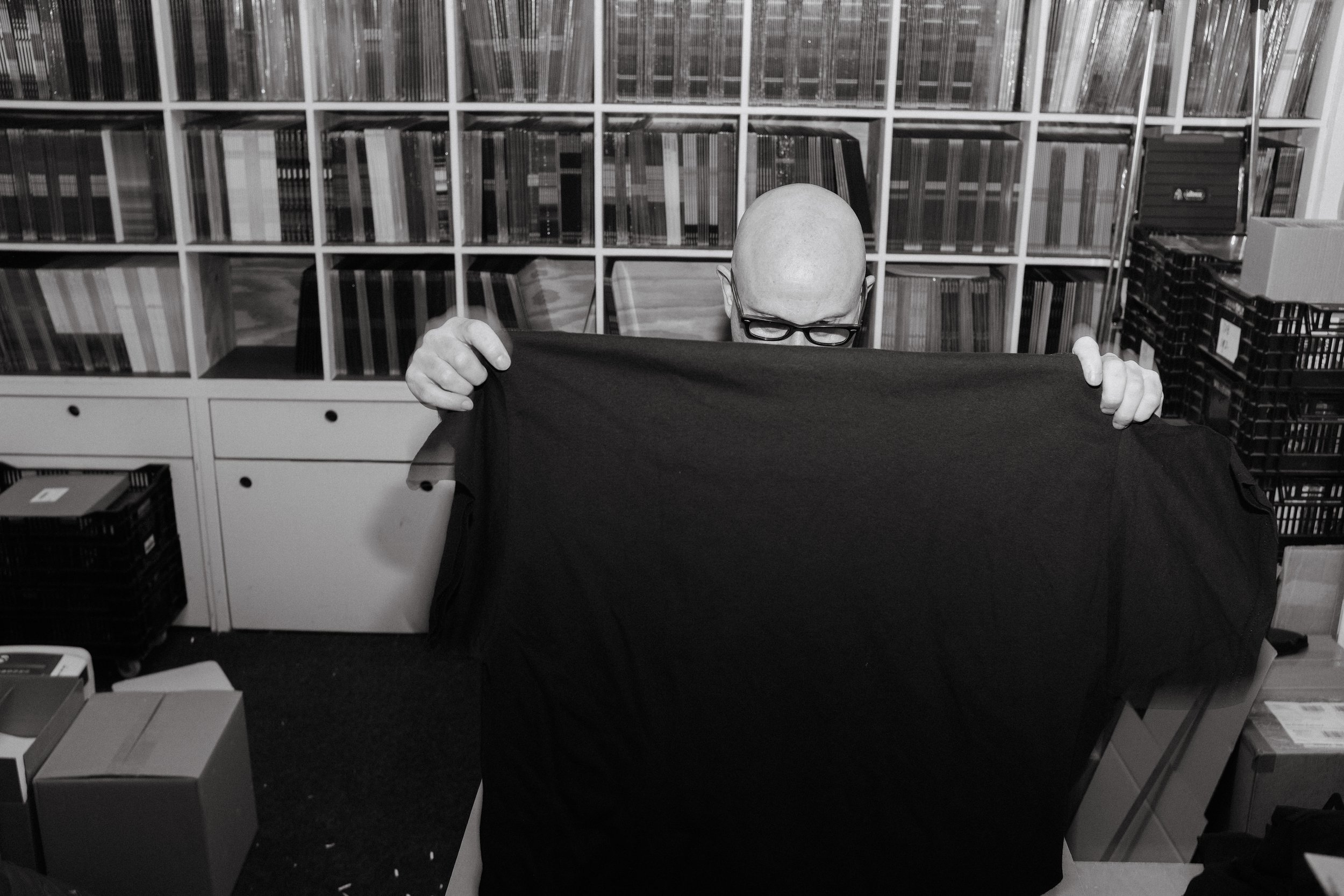
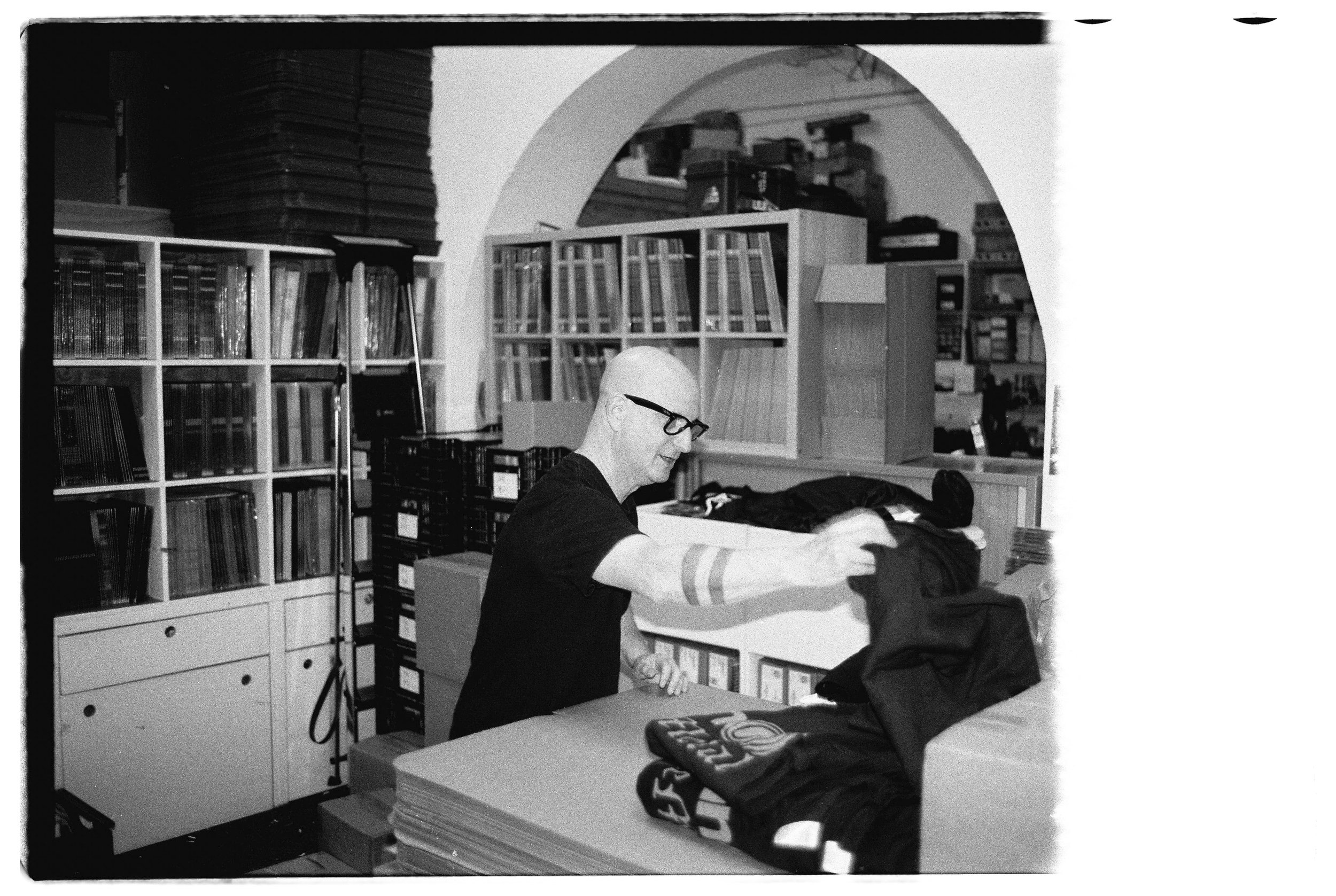
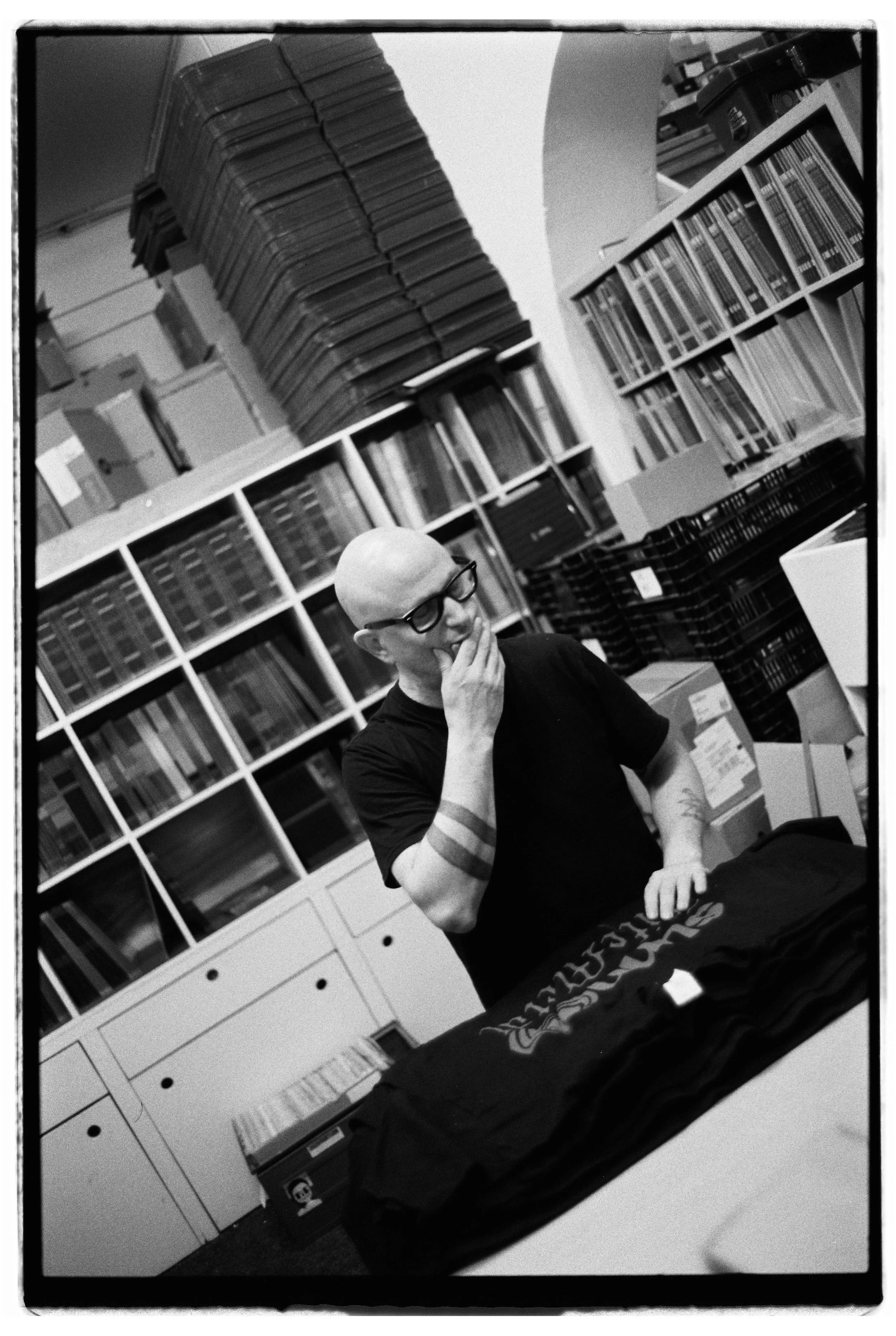
Guy Pinhas kwam op zijn zestiende voor het eerst vanuit Parijs naar Amsterdam, voor een weekend. Hij had een shirt aan dat hij zelf had gemaakt van Black Flag, de Amerikaanse hardcorepunkband. Mede dankzij dit shirt kreeg zijn leven een andere wending. Twee Amsterdamse jongens spraken hem er namelijk op aan, en vroegen of hij er ook eentje voor hen kon maken. Ze namen Guy vervolgens mee naar hun kraakpand op de Nieuwezijds Voorburgwal, waar hij zijn ogen uitkeek. "Ik zag een wereld die ik niet kende. Ik dacht van, zo kan het dus ook". Een half jaar later stond hij daar weer, met zijn tas en zijn basgitaar, om te blijven. Zo begon zijn muziekcarrière dan ook niet in Parijs, maar in Amsterdam, waar hij vanaf 1983 in een band speelde.
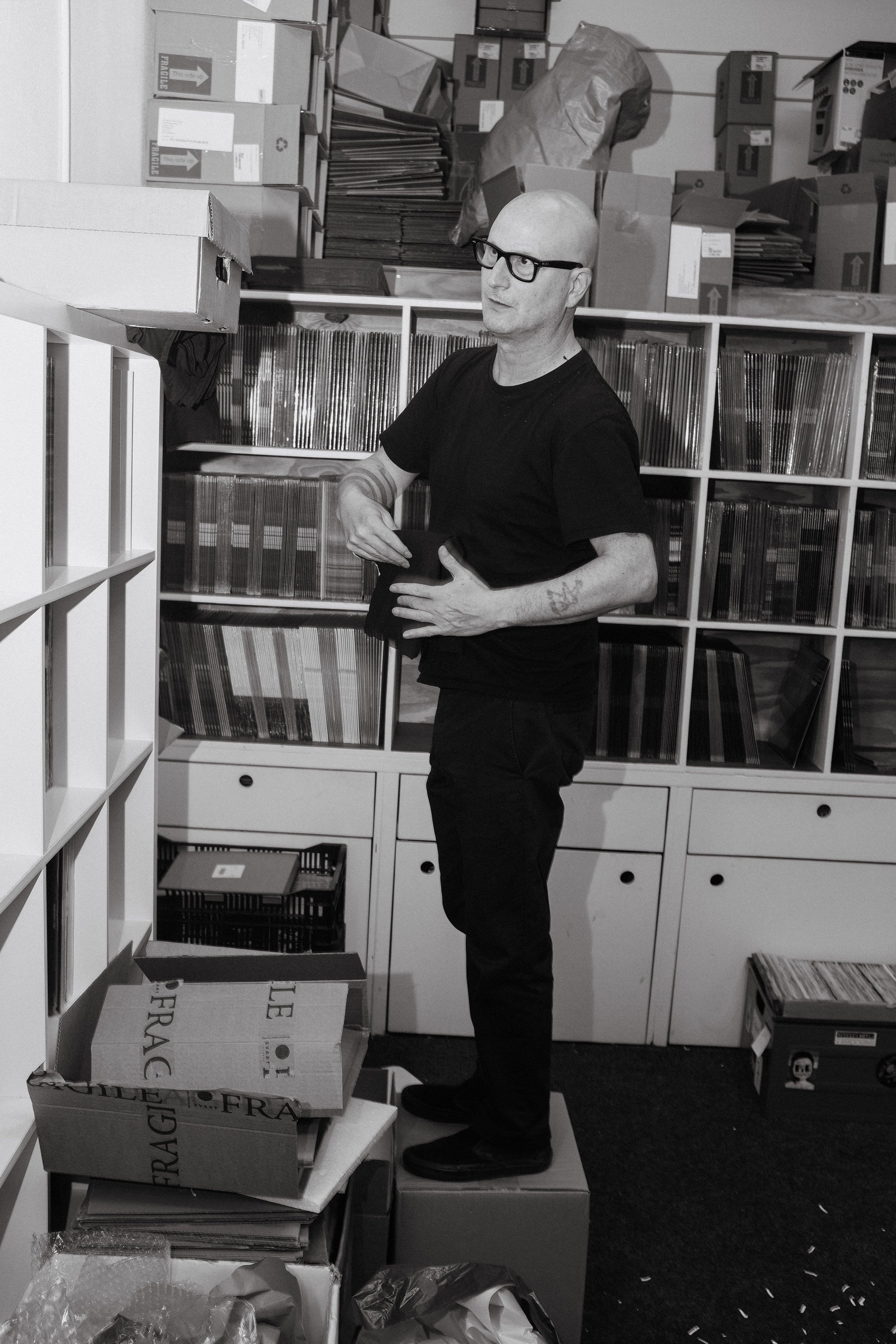
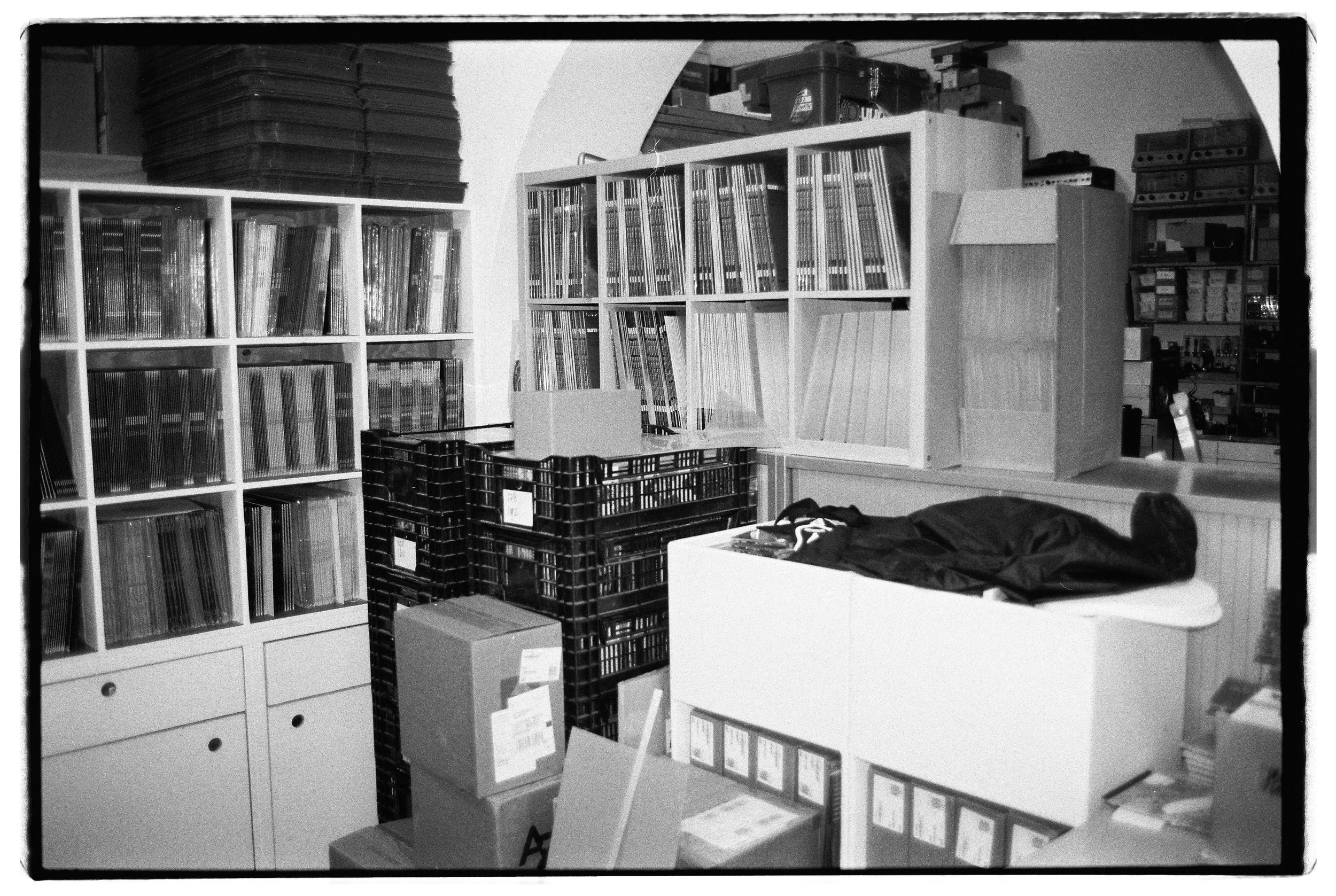
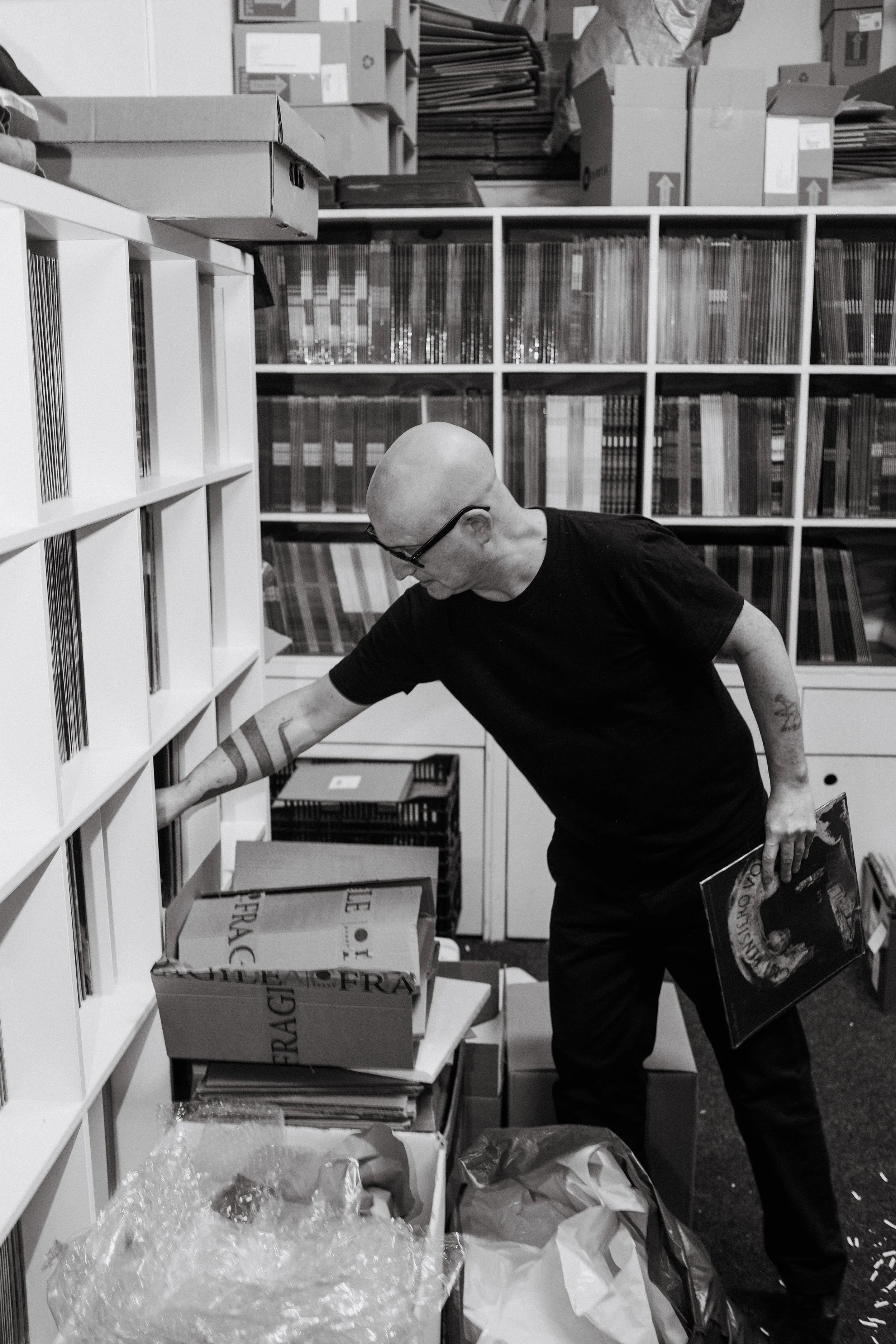
Op enig moment streek Guy neer in Amerika, waar hij als bassist naam maakte in de doom-metalscene. “Doom is traag en zwaar, niet de blijste muziek ter wereld. Voor veel mensen is het therapeutisch. We kanaliseren er emoties en energie doorheen," zegt hij. Naast zijn carrière als muzikant richtte hij in 1998 samen met Greg Anderson het platenlabel Southern Lord op. In 2013 besloten hij en Greg de Europese tak van het label op te richten, nadat ze de prijzen van de platen in de plaatselijke winkels hadden gezien.
Muziek was een groot deel van zijn leven zijn voornaamste creatieve uitlaatklep, maar tegenwoordig richt hij zich vooral op fotografie. "Ik zie veel overeenkomsten tussen muziek en fotografie, in ieder geval wat de technische kant betreft."
Hoe hij te werk gaat
"Ik kies niet echt een onderwerp. Ik maak foto's, en achteraf zie ik dat er vijf of zes beelden uit dat jaar een rode draad hebben. En dan denk ik: oké, dit is best cool. Ze manifesteren dus vanzelf. Dat heb ik aan mijn achtergrond in muziek te danken. Want als je muziek schrijft, begin je ook met kleinere stukjes hier en daar, van: 'O, dit is een idee. En dit is een idee.' En dan zegt iemand: 'Hé, weet je nog die riff van vorige keer?' En dan pak je die er weer bij en maak je het langzaam tot een geheel. Daarin werkt een fotografie- of muziekproject voor mij op dezelfde manier."
Hij probeert elke dag te fotograferen. "Zoals met vrijwel alles geldt: hoe vaker je het doet, hoe natuurlijker het voor je wordt. Of het nu gaat om koken, fotograferen, schrijven, nou ja, gewoon alles.”
Zijn fotoboek 37000 ontstond uit jarenlang fotograferen van de plaats Tours ten zuidwesten van Parijs waar zijn ouders sinds 2009 woonden. Hij vond het een oude, saaie stad, totdat hij begon te fotograferen. Tijdens het fotograferen vermeed hij bewust clichébeelden en vond zijn belevingswereld in vorm, schaduw en zwart-wit. Het resultaat is een bijzonder boek dat onder andere op lomography.com onder de aandacht werd gebracht.
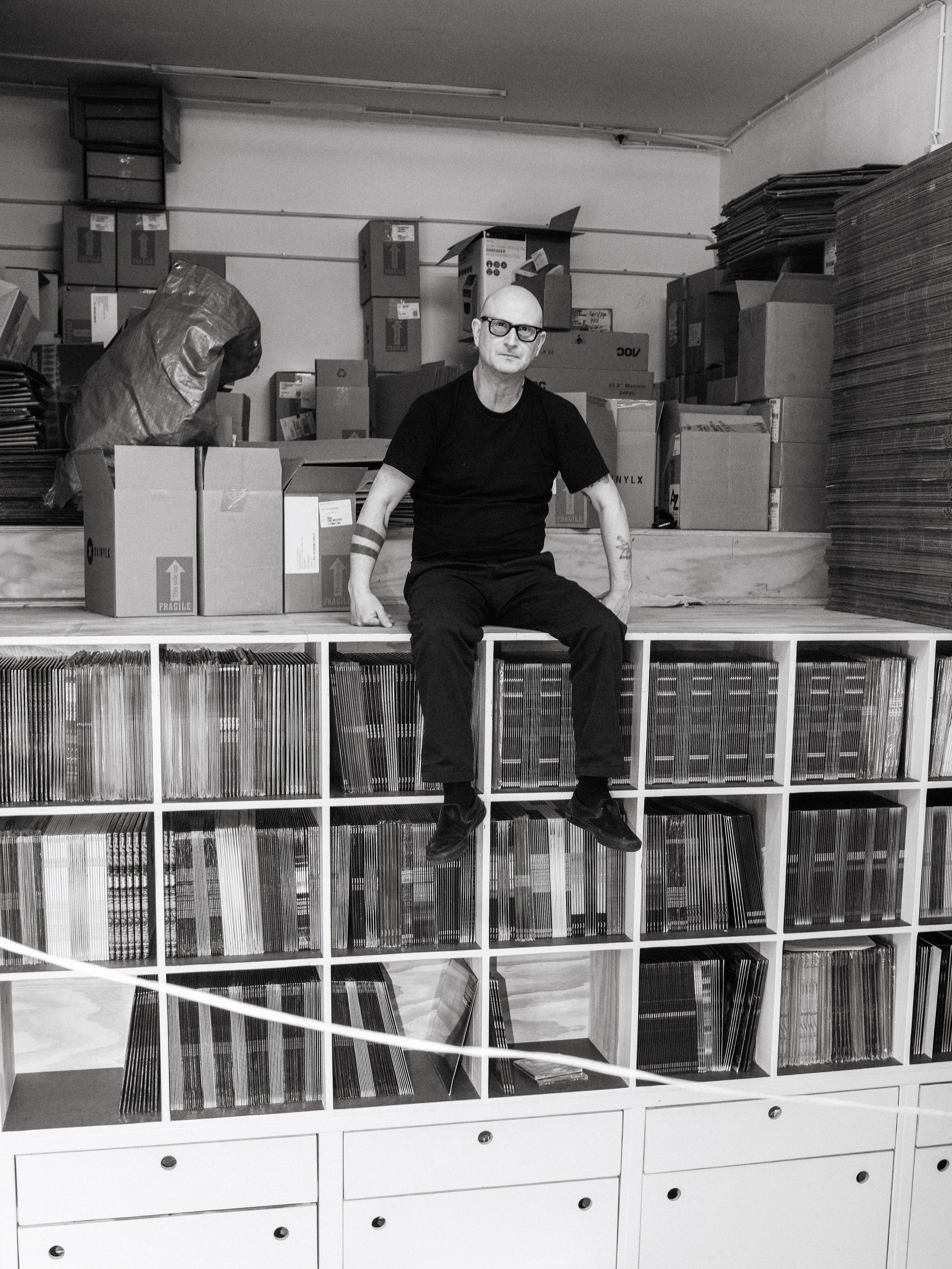
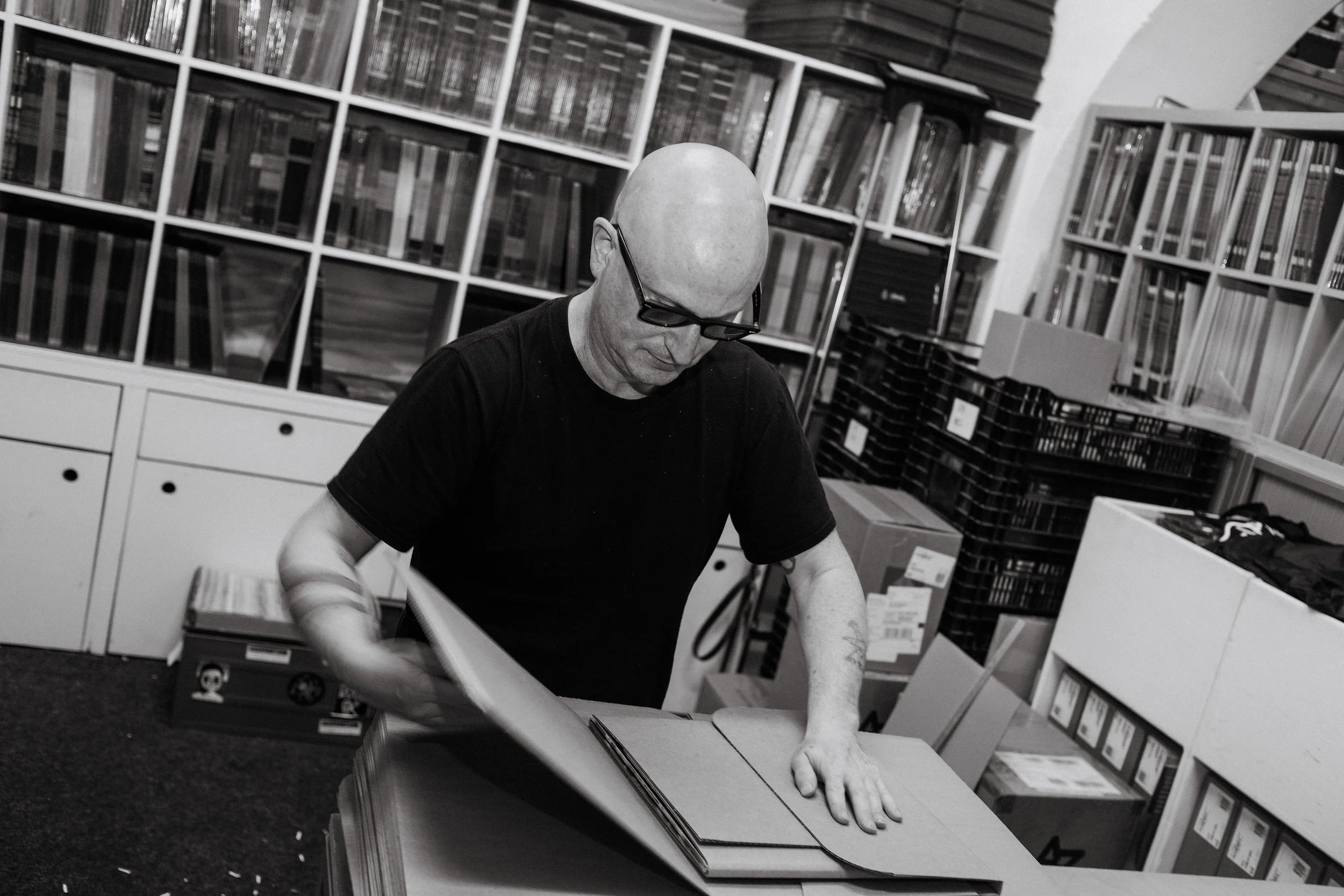
Hij schiet zo'n 150 rolletjes film per jaar en ontwikkelt alles zelf. Ook geeft hij zijn boeken en zines zelf uit en bouwt zo bewust langzaam aan bekendheid.
(Hieronder gaat de tekst verder)
Creatief in Amsterdam
Terugdenkend aan zijn tijd begin jaren 80 tot begin jaren 90 in Amsterdam, noemt hij de stad a shining beacon in Europe: een toevluchtsoord voor freaks, homoseksuelen en buitenstaanders, met een aanpak van de aidscrisis waar hij nog altijd bewondering voor heeft.
Deze blik op de stad heeft hij eigenlijk altijd vastgehouden. Wat de stad in het bijzonder mooi maakt, is volgens hem het licht. "Het specifieke licht van de stad vind je nergens anders: het is hier laag gebouwd, grotendeels onder zeeniveau, waardoor het licht zich anders over de gebouwen verspreidt dan in een stad als Parijs." Het is een van de redenen waarom hij het merendeel van zijn kleurenfotografie in Amsterdam heeft geschoten.
Toch is hij ook kritisch op de huidige richting van de stad. Hij is bang dat Amsterdam haar vrije karakter kwijtraakt in de wens om zich te meten met Parijs en Londen. Hij ziet de verdringing van ruimte voor creativiteit. De Pijp is inmiddels bewoond door expats, het Amsterdamse accent is vaker te horen in Almere dan in Amsterdam zelf, en vrienden verkopen hun huis en trekken weg vanwege de hoge prijzen.
Een stad moet volgens hem een poort zijn naar meer. ‘Stad’ zijn is niet een doel op zich. Bijvoorbeeld, een van de belangrijkste dingen die het kan brengen is vriendschap, waaronder voor hem zijn vriendschap met Wesley (fotograaf van Creatives In/AMS).
Over vijf jaar
"Wat ik hoop? Dat er ruimte blijft komen voor de creatieve gemeenschap. Meer broedplaatsen en plekken waar je tegelijk kunt wonen en werken." Voor hem is dat precies wat een stad aantrekkelijk maakt.
Hij noemt Occii als een van de weinige overgebleven plekken waar hij vroeger vaak kwam en die nog steeds ruimte biedt aan alternatieve en onafhankelijke muziek. "Zonder dat gaat de stad ten onder. Ze zal een schim worden van wat ze ooit was."
Oftewel: geef ruimte terug aan mensen, zodat het weer dezelfde stad kan worden die hem ooit, als zestienjarige met een zelfgemaakt Black Flag-shirt, een wereld liet zien die hij niet kende.
Vind Guy op Instagram op @6uypinhas
Fotos by Wesley Verhoeve
Tekst by Josephine Jongbloed
(To read this piece in English, scroll down)
English
Guy Pinhas (61) - Photographer and musician
Who is Oli?
Guy Pinhas first came to Amsterdam from Paris at the age of sixteen, for a weekend. He was wearing a T-shirt he’d made himself featuring Black Flag, the American hardcore punk band. Partly thanks to this T-shirt, his life took a different turn. Two boys from Amsterdam struck up a conversation with him and asked if he could make one for them too. They then took Guy to their squat on the Nieuwezijds Voorburgwal, where he was amazed by what he saw. “I saw a world I didn’t know. I thought to myself, ‘So that’s how it can be’.” Six months later, he was back there, with his bag and his bass guitar, to stay. So his music career didn’t begin in Paris, but in Amsterdam, where he played in a band from 1983 onwards.
At some point, Guy settled in America, where he made a name for himself as a bassist in the doom metal scene. “Doom is slow and heavy, not the happiest music in the world. For many people, it’s therapeutic. We channel our emotions and energy through it,” he says. Alongside his career as a musician, in 1998 he co-founded the record label Southern Lord with Greg Anderson. In 2013, he and Greg decided to set up the label’s European branch after seeing the prices of the records in local stores.
Music was his main creative outlet for much of his life, but these days he focuses mainly on photography. “I see many similarities between music and photography, at least as far as the technical side is concerned.”
How he works
"I don’t really choose a subject. I take photos, and afterwards I realise that five or six images from that year share a common thread. And then I think: right, this is quite cool. So they emerge naturally. I think I owe that to my background in music. Because when you write music, you also start with smaller bits here and there, thinking: ‘Oh, this is an idea. And this is an idea.’ And then someone says: ‘Hey, do you remember that riff from last time?’ And then you pick it up again and slowly turn it into a whole. For me, a photography or music project works in exactly the same way.”
He tries to take photographs every day. “As with almost everything, the more often you do it, the more natural it becomes. Whether it’s cooking, photography, writing, well, just about everything.”
His photo book 37000 grew out of years of photographing the town Tours, south-west of Paris, where his parents had lived since 2009. An old town that he initially found boring, until he started photographing it. He avoided taking cliché photos and found his own way of expressing his experience through form, shadow and black and white. It resulted in an extraordinary book that was featured, among other places, on lomography.com.
He shoots around 150 rolls of film a year and develops them all himself. He also self-publishes his books and zines, deliberately building his reputation slowly.
Creative in Amsterdam
Looking back on his time in Amsterdam from the early 1980s to the early 1990s, he describes the city as a shining beacon in Europe: a haven for freaks, gay people and outsiders, with an approach to the AIDS crisis that he still admires.
He has, in fact, always maintained this perspective on the city. According to him, what makes the city particularly beautiful is the light. “You won’t find the city’s unique light anywhere else: the buildings here are low-rise, built below sea level, which means the light spreads across them differently than in a city like Paris.” It is one of the reasons why he has taken most of his colour photographs in Amsterdam.
Yet he is also critical of the city’s current direction. He fears that Amsterdam is losing its free-spirited character in its desire to measure itself against Paris and London. He sees the space for creativity being squeezed out. De Pijp is now home to expats, the Amsterdam accent is heard more often in Almere than in Amsterdam itself, and friends are selling their homes and moving away because of the high prices.
In his view, a city should be a gateway to something more. Being a ‘city’ is not an end in itself. For example, one of the most important things it can offer is friendship, including, for him, his friendship with Wesley (photographer at Creatives In/AMS).
In five years’ time?
"What do I hope for? That there will continue to be space for the creative community. More creative hubs and places where you can live and work at the same time." For him, that is exactly what makes a city attractive.
He mentions Occii as one of the few remaining places he used to go frequently that still provides space for alternative and independent music. “Without that, the city will decline. It will become a shadow of what it once was.”
In other words: give people back their space, so that the city can once again become the place that, when he was sixteen and wearing a homemade Black Flag T-shirt, showed him a world he didn’t know.
Find Guy on Instagram on @6uypinhas
Photos by Wesley Verhoeve
Text by Josephine Jongbloed